
Spain · Regulatory Updates
Tourist license in Andalusia: step-by-step requirements
Everything you need to register your property as a VUT in Andalusia: requirements, process, timelines, and the most costly mistakes to avoid.
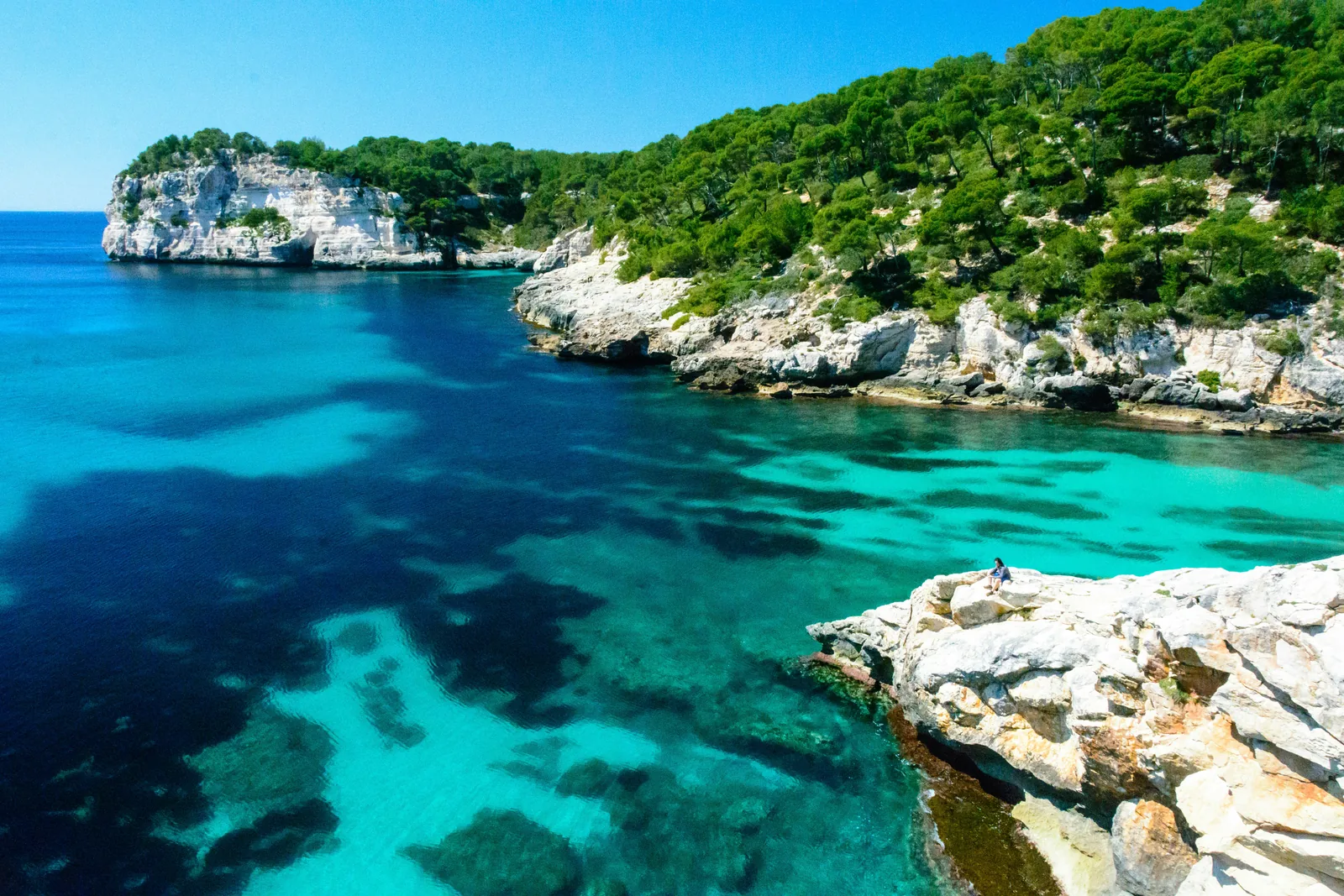
The Balearic Islands, alongside Catalonia, have imposed some of the toughest vacation rental regulations in Spain. Since 2025, new registrations for apartments are banned, only single-family homes in eligible zones may operate, and obtaining placements from a pool that barely grows is mandatory. And almost everything changes depending on the island.
↓Note: this guide is for informational purposes only and does not constitute legal advice. Tourism regulations in the Balearic Islands change frequently and much of the authority is delegated to the island councils (consells insulars), meaning many rules differ from one island to another. Always verify your specific situation with the BOIB, your consell insular, and your local council.
Only if three conditions are met simultaneously. And, above all, only if you own a single-family home: apartments in multi-family buildings have been banned from new registrations across the entire archipelago since April 16, 2025, with the sole exception of terraced and semi-detached houses sharing a plot.
If any one of the three conditions is missing, you cannot legally operate. And operating without them is the most heavily penalized offense under Balearic law.
The foundational regulation is Law 8/2012, of July 19, on tourism in the Illes Balears, which has been substantially amended in recent years: Law 6/2017 introduced zoning and the five-year validity period for apartments; Law 3/2022 (via Decree-Law 3/2022) suspended the purchase of placements — the moratorium — from February 11, 2022; Decree-Law 4/2025 banned new registrations for multi-family properties and created the temporary placement pools; Law 1/2025 made it mandatory to prohibit parties by contract; and Law 4/2026 added daily coercive fines. Authority is delegated to the consells insulars of Mallorca, Menorca, Eivissa and Formentera, each managing its own registry, placement pool and inspection service.
This is the key point that catches nearly every owner off guard: the 'Balearic Islands' do not operate under a single unified regime. Zoning, placement prices and access to the pool all depend on each consell and its island plan (PIAT or PTI). Here is the summary as of October 2026:
| Island | Apartments (multi-family) | Single-family homes | Placement pool |
|---|---|---|---|
| Mallorca | No (new registrations banned) | Yes, in eligible zones. Not in Palma (the entire municipality declared 'ineligible' since May 2026) | Lottery. In 2026, 1,069 placements were distributed at €3,500 per placement (single-family) |
| Menorca | No (new registrations banned) | Only in eligible tourist urbanizations and hubs | Open pool with rolling allocation, €2,500 per placement |
| Eivissa | No (never permitted) | Single-family homes only; on rural land, banned except for traditional payesa farmhouses predating 1956 | Pool that started from zero, allocated on a first-come, first-served basis |
| Formentera | No (new registrations banned) | Subject to the PTI and its eligible zones | Pool capped by the PTI placement ceiling; no growth in supply |
Important: placement prices for Eivissa and Formentera circulating in the local press have not been confirmed in the BOIB; verify them with the consell before relying on those figures.
Registration is done via a Responsible Declaration for the Commencement of Tourist Activity (DRIAT): you declare under your own responsibility that the property already meets all requirements, begin operating and are entered into the island registry (which assigns you a reference number such as 'ETV-XXXX'). The administration subsequently verifies compliance through inspection. Since 2025, the process is compulsorily electronic, through the online portal of your island's consell. You will need, among other things:
New registrations are only accepted in zones expressly designated as eligible, and local councils may exclude their entire municipality or parts of it. By island: in Mallorca, zoning is set by the PIAT and individual councils — and Palma declared its entire municipality 'ineligible' in May 2026; in Menorca, only tourist urbanizations and hubs are eligible (not villages or residential areas); in Eivissa, rural land has been closed to new ETVs since August 2025; in Formentera, the PTI governs. Before buying or investing, request the urban planning certificate (cédula urbanística) from the local council and confirm the zone in writing with the consell.
Placements are a right purchased separately from the property and, since 2022, the total supply does not grow: pools are fed only by cancellations. Their status as of October 2026:
Yes. Since the amendment of Article 17.12 of the Horizontal Property Act (in force since April 2025), the owners' meeting can limit, impose conditions on or prohibit vacation rentals with a vote of three-fifths of owners, and impose a surcharge of up to 20% on common expenses for those properties. Agreements are not retroactive for those already operating legally, but they do affect renewals and new ETVs in terraced and semi-detached homes, as well as the ETV60 modality in apartments.
The Balearic Islands have one of the most stringent penalty regimes in Spain, and since 2025 platforms are jointly liable for illegal listings. To compare with Spain's other archipelago, see our guide to holiday homes in the Canary Islands; you can find every other region in our guide to vacation rental regulations by region.
| Category | Fine | Examples |
|---|---|---|
| Minor | Up to €5,000 | Minor formal non-compliance |
| Serious | €5,001 – €50,000 | Operating without meeting requirements; omitting the no-party clause; failing to issue invoices |
| Very serious | €50,001 – €500,000 | Advertising or operating without a DRIAT, in an ineligible zone, or without acquired placements |
Furthermore, if commercial activity continues after a cease order, daily coercive fines of €500 to €5,000 are imposed (Law 4/2026), and the case may be referred to the Public Prosecutor's Office. Advertising without a registration number is, in itself, evidence of an illegal listing.
"In the Balearic Islands, the real value is no longer in obtaining a new license — it lies in protecting the one you already have: there are few of them, they are closely monitored, and they are worth more with every passing year."
Fee4Me TeamNEED A HAND?
Every Spanish region changes its requirements often. Leave us your email and we’ll tell you what your property needs, or message us directly on WhatsApp.
Document in Spanish
Download the Compliance Checklist 2026
Everything you need to register your property as a VUT in Andalusia: requirements, process, timelines, and the most costly mistakes to avoid.

What data to report, within what timeframe, and how to avoid penalties. Everything about the obligation that applies to every booking at your vacation rental.

How to legalize your vacation rental in the Canary Islands under Law 6/2025 (amended by Law 7/2026): responsible declaration, registration, requirements, and the filters that determine whether your property can operate.
Travel newsletter
Each month, a selection of destinations, local guides and tips from people who live there.