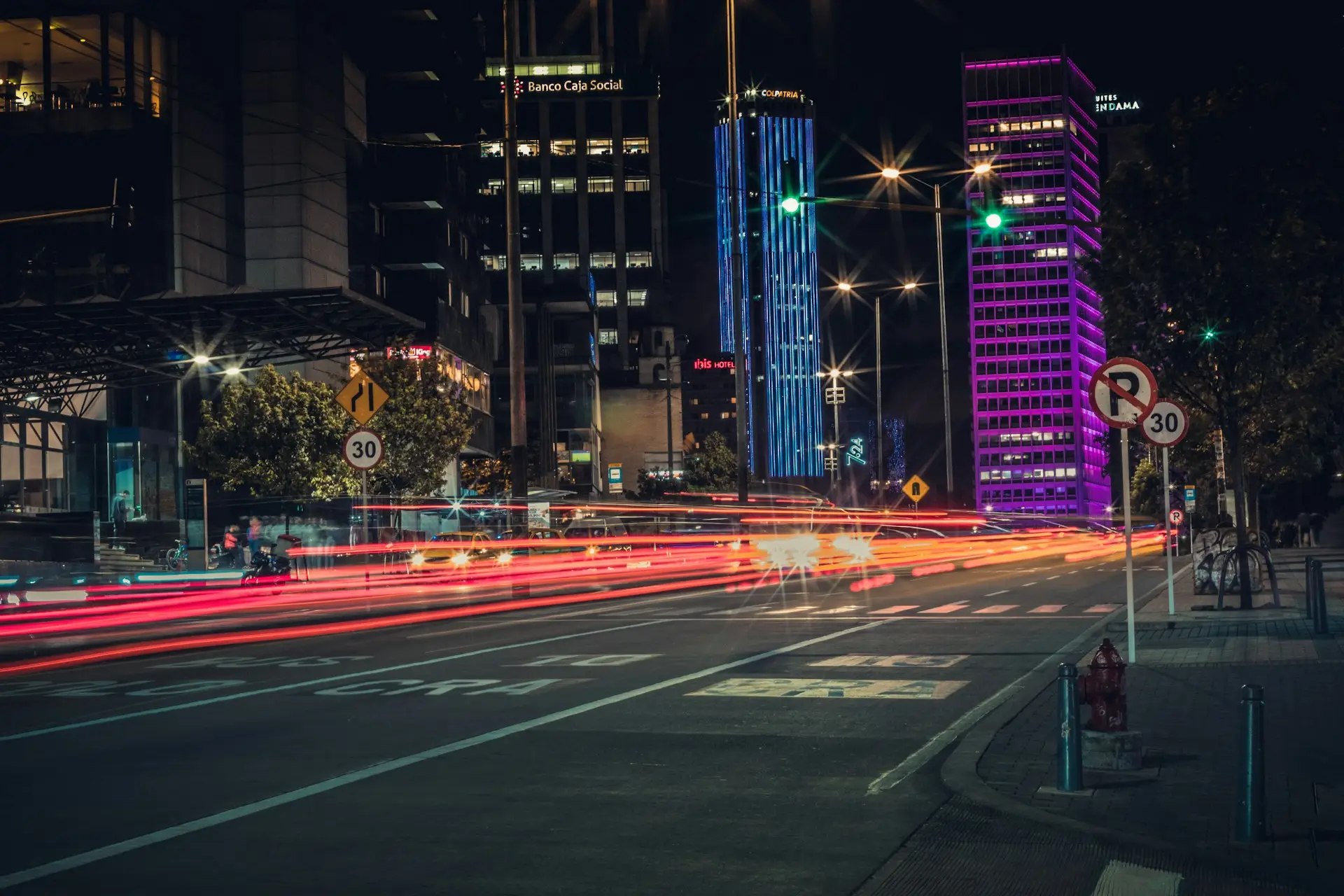
Bogotá for Digital Nomads: Where to Work, Live, and Connect
East Coast time zone, fiber optic internet, specialty coffee, and a cost of living that stretches your dollar. What Bogotá really offers remote workers, no filter.
↓Bogotá is not the Colombia that fills your Instagram feed. It has no beach like Cartagena, no perfect weather like Medellín. What it does have is less glamorous and far more useful for people who work: the country's best internet infrastructure, a time zone that lines up with both the United States and Europe, one of Latin America's finest specialty coffee scenes, and a cost of living that lets you live well when you earn in dollars or euros.
This article is about actually working from Bogotá: which neighborhood to base yourself in, where to find reliable wifi, how the digital nomad visa works, and what things — like the 2,600 meters of altitude — you really should know before you land. No postcards, just the practical stuff.
1. Why Bogotá Works for Remote Work
Let's start with what actually matters when your office is your laptop.
The time zone. Bogotá runs on GMT-5, the same as the U.S. East Coast. That means no impossible early-morning calls with clients in New York or Miami, and solid overlap with the European morning. For synchronous work with the Americas, it's one of the best-positioned cities on the continent.
The internet. Bogotá has high-speed fiber optic connectivity widely available across apartments, coworking spaces, and cafés alike. It is the best-connected city in Colombia, and for many nomads that single factor settles the decision.
The cost of living. Your money goes significantly further here than in a comparable city in Europe or North America. Food, rent, transport, leisure — everything stretches when you earn in a strong currency.
The coffee. Bogotá is one of the region's specialty coffee capitals. This is where you finally get to drink the great single-origin Colombian coffee that the country exports — served in cafés designed for lingering.
The climate. Cool and consistent year-round, with an average of around 14 degrees Celsius. No crushing heat or humidity to sap your focus. It's genuinely comfortable to work here.
"Bogotá doesn't sell beaches or eternal spring. It sells something else entirely: the right time zone, fiber-fast internet, and a coffee that finally tastes like what Colombia ships to the world."
BOGOTÁ · FEE4ME2. The Detail Nobody Mentions: 2,600 Meters
Before anything else, the thing that surprises most arrivals: Bogotá sits at 2,600 meters above sea level. It is one of the highest capitals in the world, and the altitude makes itself known.
Soroche (altitude sickness) is real in the first few days: you may feel short of breath climbing stairs, unusually tired, mildly headachy, or find your sleep disrupted. Not everyone feels it with the same intensity, but it's worth factoring in from the start.
For the first two or three days, slow down and don't schedule your heaviest workweek the moment you land. Drink more water than usual, and go easy on the alcohol early on — at this elevation it hits differently. Your body acclimates within a few days and after that you'll barely notice it.
The other effect of the altitude: the temperature. At 2,600 meters, even close to the equator, it stays cool. Layer up: you can have bright sun by midday and a real chill by late afternoon. Leave the beach clothes at home — Bogotá is a jacket city.
3. The Neighborhoods: Where to Base Yourself
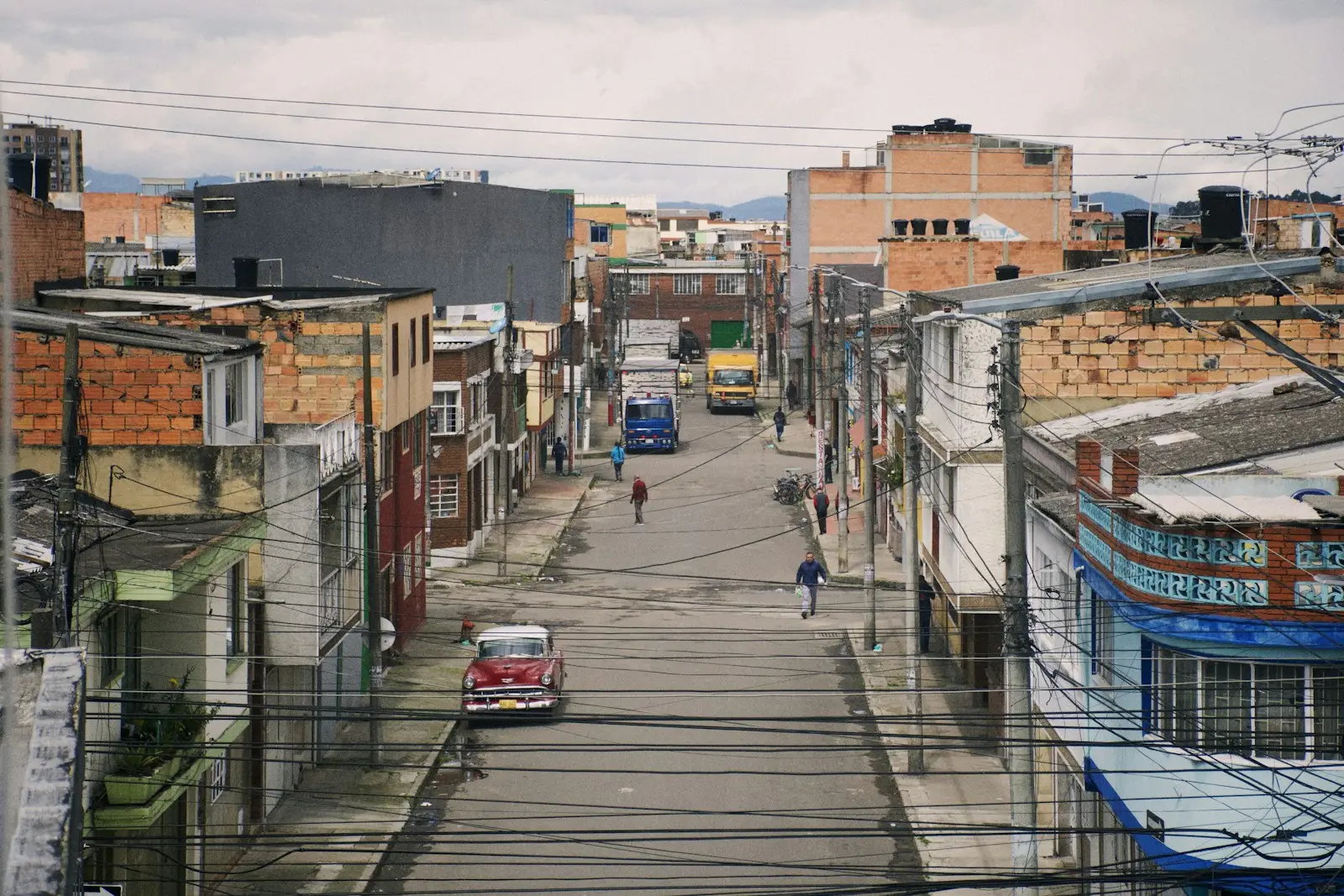
Bogotá is enormous, so choosing the right neighborhood is the single decision that most shapes your daily life. These are the ones that work best for remote workers.
Chapinero. The nomad heart of Bogotá. A diverse, creative, and vibrant neighborhood with the highest concentration of specialty cafés and coworking spaces in the city. It's artistic, social, and full of energy — and also the center of Bogotá's LGTBIQ+ community. If you want atmosphere and connection with other nomads, this is your spot. Within it, Chapinero Alto and Quinta Camacho are the quieter, more charming pockets.
La Zona G ("G" for gourmet). Eight city blocks inside Chapinero packed with top-tier restaurants and specialty cafés. Perfect if you enjoy eating well and having everything within walking distance.
Parque de la 93. The premium option: a beautiful park ringed by high-end restaurants, specialty coffee shops, quality coworking spaces, and well-appointed apartments. More expensive and more tranquil, with a strong international presence and plenty of English-language infrastructure. Ideal if comfort and a polished environment are your priorities.
Usaquén. To the north, a former village absorbed by the city that still feels like one: a colonial square, cobbled streets, low-rise houses. More residential and relaxed, with a warm atmosphere and a well-loved Sunday flea market. Great value for money and a genuine neighborhood feel.
Chicó. The most prestigious, quiet, and manicured residential neighborhood in the city. For those who prioritize deep work and calm without sacrificing amenities.
La Candelaria (the historic center). Colonial architecture, museums, and bohemian energy. It's beautiful and very affordable, but better for short visits: it's less safe after dark and quieter overall. Great for a few days of sightseeing, less ideal as a working base.
In short: for most nomads, Chapinero (atmosphere and value) or Parque de la 93 (premium and convenient) are the two safe bets.
4. Coworking Spaces: Where to Get Serious Work Done
When you need a real office — reliable wifi, a decent chair, rooms for calls — Bogotá has a solid scene to offer.
Impact Hub (Chapinero, Calle 69). Part of a global network focused on social innovation and sustainable entrepreneurship. Private offices, hot desks, meeting rooms, and a highly active community with regular networking events. One of the most beloved spaces among the local nomad crowd.
WeWork. The enterprise-grade option, with multiple locations, meeting rooms, and dedicated desks. If you want a predictable international standard, this is it.
Spaces. Light-filled workspaces, private phone booths, and a busy events calendar. A good balance between professional and pleasant.
Selina. More than a coworking space: it combines accommodation, coworking, and cultural programming in a bohemian, creative atmosphere. With locations in Chapinero, Parque de la 93, and La Candelaria, it's ideal if you want to live and work under one roof, surrounded by fellow international nomads.
Tierra Firme (Chapinero). Set inside a charming old house, with fast internet and a warm, close-knit atmosphere. The characterful alternative to the chains.
Almost all of them offer day passes and weekly rates, not just monthly memberships. Try a couple before committing to one — the community and vibe vary enormously from space to space.
5. Cafés with Wifi: The Informal Office
For days when you don't want a coworking space but need to get out of the apartment, Bogotá's specialty coffee culture is tailor-made for working. These names are the benchmarks.
Azahar Café. A pioneer of the specialty coffee movement in Bogotá, with several locations. The Chapinero branch is particularly popular with remote workers for its comfortable seating, focused atmosphere, reliable wifi, and plenty of power outlets.
Amor Perfecto. Another cornerstone of Bogotá's specialty coffee scene, with consistent brews, friendly staff, and solid internet. Built for long sessions.
Varietale (Quinta Camacho). As serious about bandwidth as it is about beans. Direct-from-the-farm coffee and stable wifi in a focused setting.
In Bogotá's cafés, spending hours working is completely normal — but do order regularly, and free up your table during peak hours if there's a queue. Many have distinct zones: communal tables for networking and quieter corners for concentration.

6. The Digital Nomad Visa (Visa V)
Here is what lets you stay legally beyond three months — and it's worth understanding clearly.
Colombia introduced a Digital Nomad Visa (Visa V) in 2022, designed for foreigners who work remotely for companies or clients outside Colombia.
Duration: it allows you to reside for up to 2 years. Minimum income: you must demonstrate monthly earnings of at least 3 Colombian minimum wages, which in 2026 works out to approximately 5.25 million COP per month (~1,400 USD). For most remote workers based in North America or Europe, this threshold is easy to meet. You will also need international health insurance with coverage in Colombia and a passport valid for at least 6 months.
The restriction that matters most day to day: with this visa, you cannot invoice clients or companies based in Colombia. All your income must come from abroad. If your work is genuinely remote for overseas clients, this is not an issue; if you want to build a local client base, you will need a different visa (the Visa M - Independiente).
Keep in mind: the nomad visa is excellent for a two-to-four-year stay, but it is not a direct stepping stone to permanent residency. If that is your long-term goal, plan your visa sequence with an advisor. For the current specific requirements and procedures, it's worth working with an immigration lawyer — the rules and figures change every year.
*(This section is for general guidance only and does not constitute legal or immigration advice. Please verify current requirements with the Colombian Cancillería or a qualified professional before beginning any application.)*
7. Safety and Practical Life
Honestly, because it's the first thing everyone asks about.
Safety. Bogotá is a large Latin American city with real inequality, and that calls for common sense. The areas where you'll live and work — Chapinero, Parque 93, Usaquén, Chicó — are the safest in the city and well-covered. The basic rules: "no dar papaya" (the local saying: don't flash your phone, laptop, or jewelry on the street), use ride-hailing apps at night, and don't wander into unfamiliar areas. In La Candelaria, take an Uber or taxi after dark. With those habits in place, the vast majority of nomads have no issues.
Transport. The TransMilenio (bus rapid transit) links the city; the Chapinero stations (Calle 72, Calle 85) are useful reference points. But for daily life, most people rely on ride-hailing apps (more comfortable and safer, especially at night) or cycling: Bogotá has an enormous network of dedicated cycle paths, and on Sundays the Ciclovía closes major avenues to cars, opening them to cyclists and pedestrians. Avoid driving your own car — traffic is heavy.
Payments and connectivity. Carry some cash (in pesos), though cards are accepted almost everywhere. For mobile internet from day one, a local eSIM or data SIM sorts out your arrival instantly. Excellent food delivery app coverage across all nomad zones, for days when you're deep in work and don't want to step out.
8. What to Do When You Close the Laptop
Remote work is also about living the place. Bogotá has plenty waiting for your off-hours.
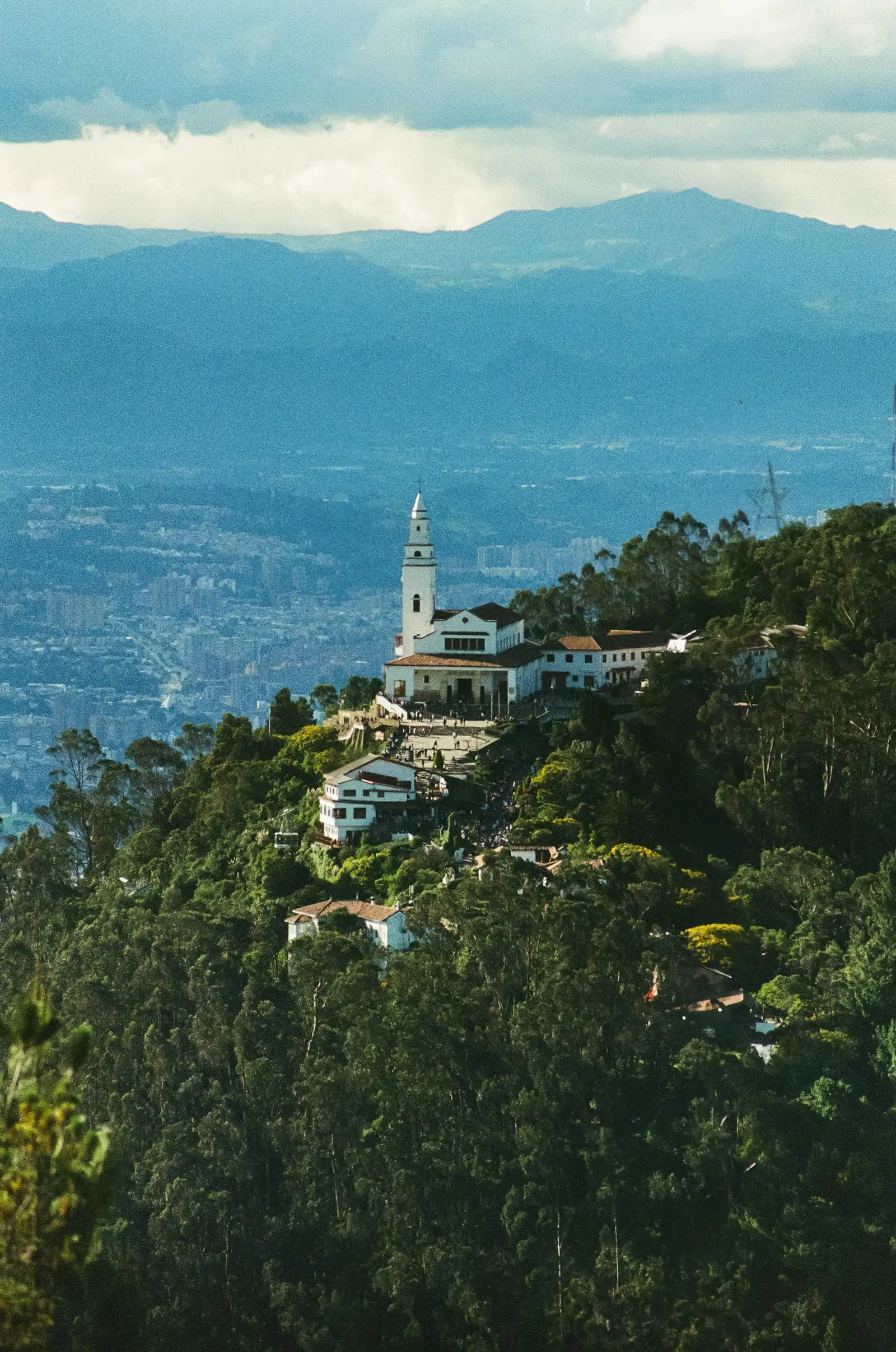
Monserrate. The iconic hill that watches over the city, at 3,150 meters, with sweeping views of all of Bogotá. You can get there by cable car, funicular, or on foot. Non-negotiable. La Candelaria is the historic center, made for wandering among colonial architecture, museums, and street art. The Museo del Oro and the Museo Botero are essential visits — and the Botero is free. The Sunday Ciclovía lets you experience the city like a native: thousands of cyclists reclaiming the avenues every week. And the restaurant scene in Zona G and Chapinero is genuinely world-class.
For short escapes: Zipaquirá and its breathtaking underground Salt Cathedral, Guatavita and its legendary lagoon, or the charming towns scattered across the savanna — all within easy reach.
Where to Stay
When working from Bogotá, location is everything: Chapinero puts you at the center of the nomad scene and the coffee culture; Parque de la 93 is the premium, convenient choice; Usaquén offers tranquility with real neighborhood life. Look for accommodation with confirmed good wifi and, if possible, a proper space to work.
Fee4Me manages vacation rentals in Colombia and we are actively expanding our portfolio across the country. We don't currently have properties in Bogotá — we do in Bucaramanga, and we continue to add new homes. We'd rather not point you toward accommodation we don't manage: when we have properties in the city, we'll say so right here. If you own a property in Colombia that would work well for longer nomad stays and you'd like to put it on the rental market, let's talk.
Experiences
Book your activities in Bogotá
Curated experiences by GetYourGuide, our official partner.
Enable marketing cookies to view experiences.
Travel newsletter
Inspiration in your inbox, once a month.
Each month, a selection of destinations, local guides and tips from people who live there.