The Coffee Route in Colombia: From Bean to Cup in the Eje Cafetero
How to explore the Eje Cafetero: Salento, the Valle del Cocora, and the farms where coffee comes alive from bean to cup. With Willys jeeps, schedules, and tips on which farm to choose.
Colombia is the world's third-largest coffee producer, and yet there is an uncomfortable paradox that almost no one tells you: the finest Colombian coffee is rarely drunk in Colombia. It is exported unroasted to preserve its aromas, and what remains for the domestic market is often the lowest grade. Understanding that — and learning to tell a commercial coffee from a single-origin one — is what turns a trip to the Eje Cafetero into something far more than photos among palm trees.
That is exactly what this article is about: how to truly experience the Eje Cafetero. What to see, how to get around in Willys jeeps, which farm to choose for a coffee tour, and what lies behind every cup. This is not a list of tours — it is how the region actually works.
3-4 daysIdeal duration
3 departmentsQuindío · Caldas · Risaralda
60 metersThe tallest palm trees in the world
HeritageUNESCO since 2011
1. What the Eje Cafetero Is (and Why It Is a World Heritage Site)
The Eje Cafetero — or Coffee Triangle — is a region of green mountains, terraced coffee plantations, and colonial towns in west-central Colombia, spread across three departments: Quindío, Caldas, and Risaralda.
In 2011, UNESCO declared it a Coffee Cultural Landscape, a World Heritage Site. The recognition goes beyond beauty: this is a landscape where coffee cultivation has shaped, over more than a century, the way people live, the design of homes, the layout of towns, and the contours of hillsides. Here, coffee is not a tourist attraction staged for visitors — it is the real economy of the region, and you feel that immediately.
What this means for the traveler: you can visit it like a theme park — and there is one, literally, the Parque del Café — or you can experience it for what it is, stepping into working farms where a family earns its living from the land. Both approaches can be combined. This article focuses on the second.
2. Salento: The Perfect Base Camp
Almost everyone uses Salento as a base, and for good reason: it is the most beautiful and best-connected town in Quindío.
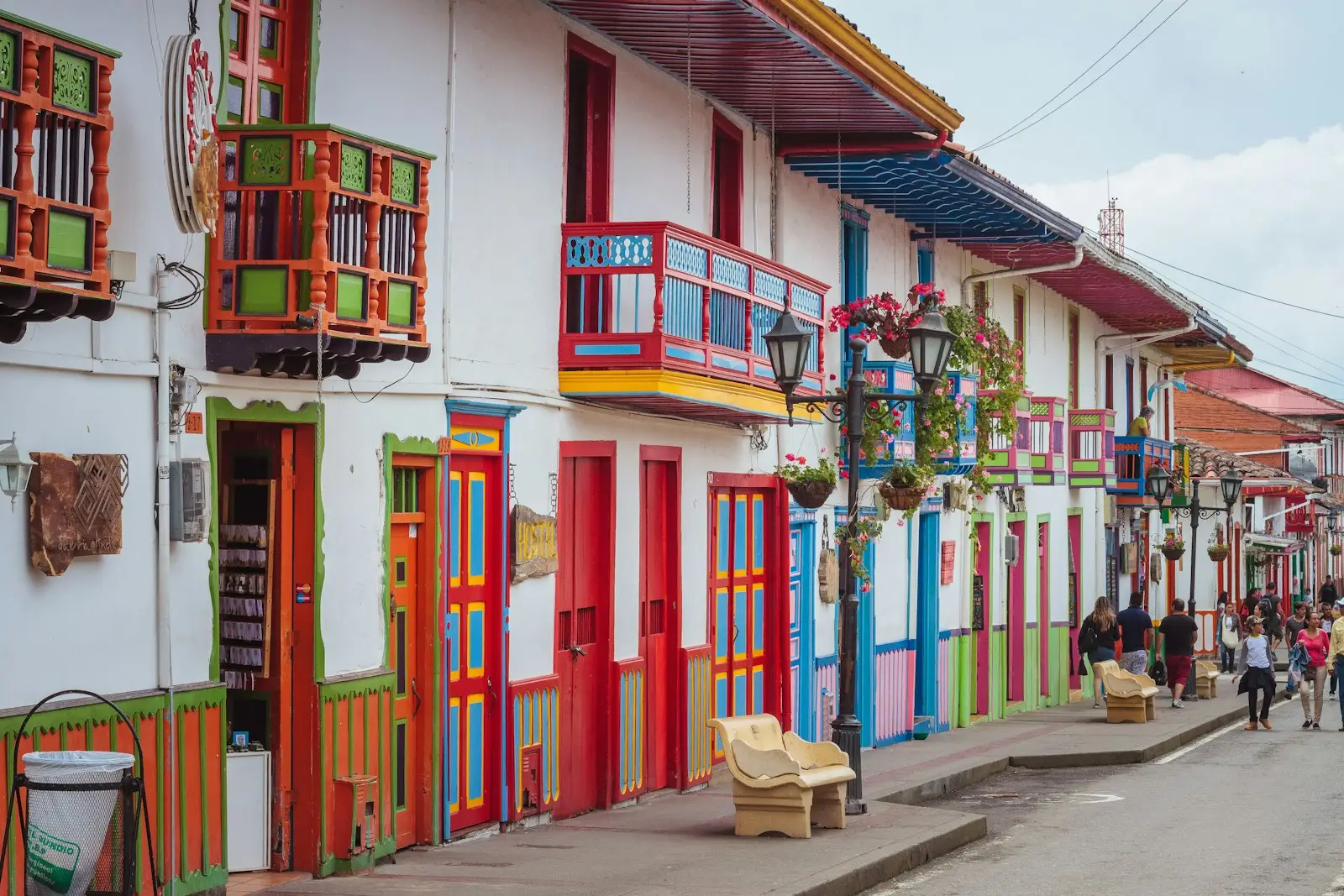
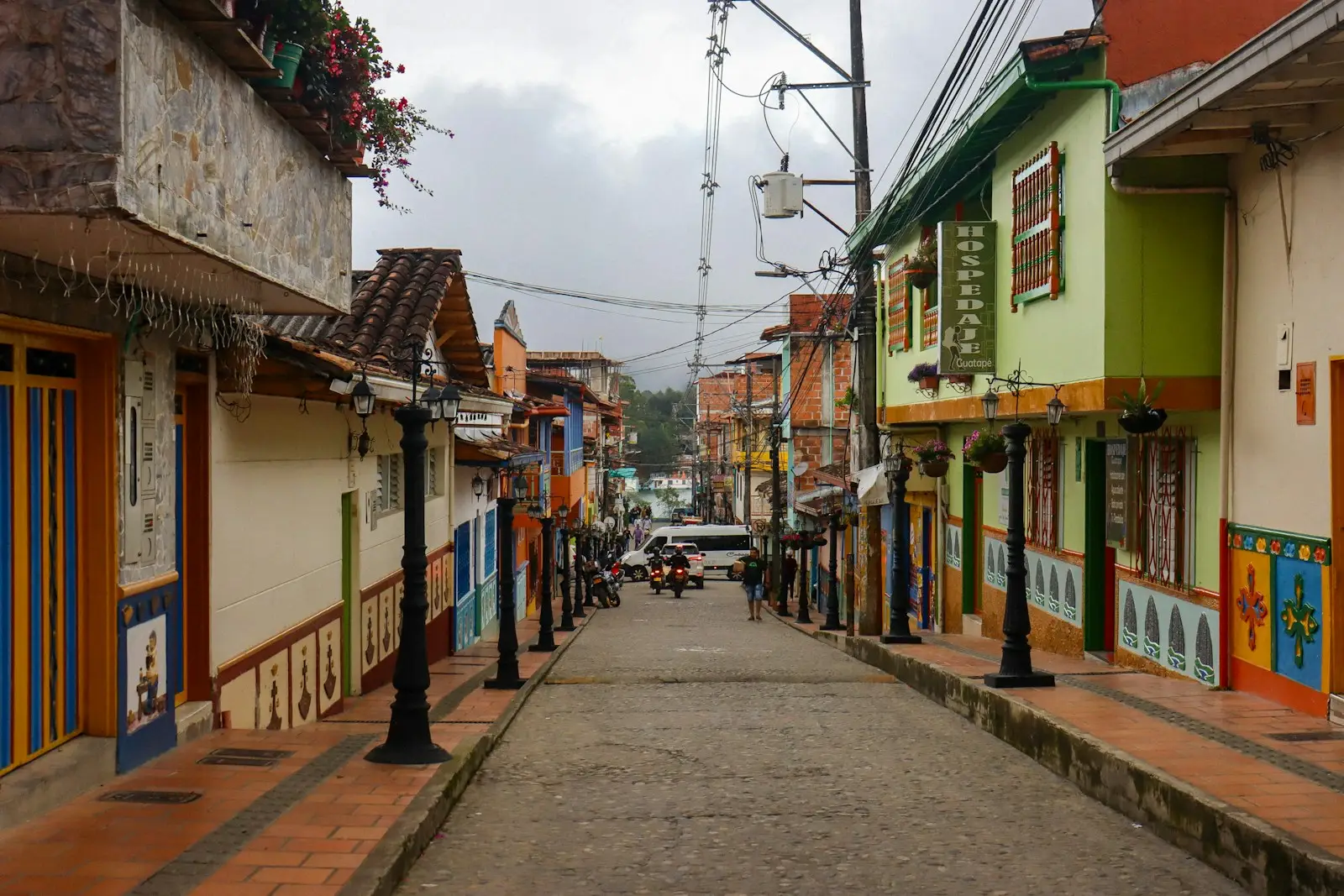
Salento is small, colorful, and cobblestoned, with houses sporting wooden balconies painted in vivid hues. Its Calle Real climbs to the Alto de la Cruz viewpoint, where the entire valley unfolds before you. The streets are lined with craft shops, specialty coffee bars, and restaurants.
The tip that saves your weekend: Salento fills to bursting on weekends with domestic tourism. If you can, visit mid-week; the town is a completely different experience when it is not overrun.
Eating in Salento: trout is the local dish — river trout, served with patacón — and the Recinto Gastronómico Villa de Salento offers empanadas, stuffed arepas, and vegetarian options.
An alternative to Salento: Filandia, an equally charming town, somewhat less touristy and more peaceful, about half an hour away. If you want the same spirit with fewer crowds, it is an excellent choice.
"The best coffee Colombia grows is almost never drunk in Colombia — it is exported. Understanding why is half the journey."
Coffee Route · Fee4Me
3. The Willys Jeep: The Transport You Need to Know
In the Eje Cafetero, you do not get around by taxi or bus — you travel by Willys jeep.
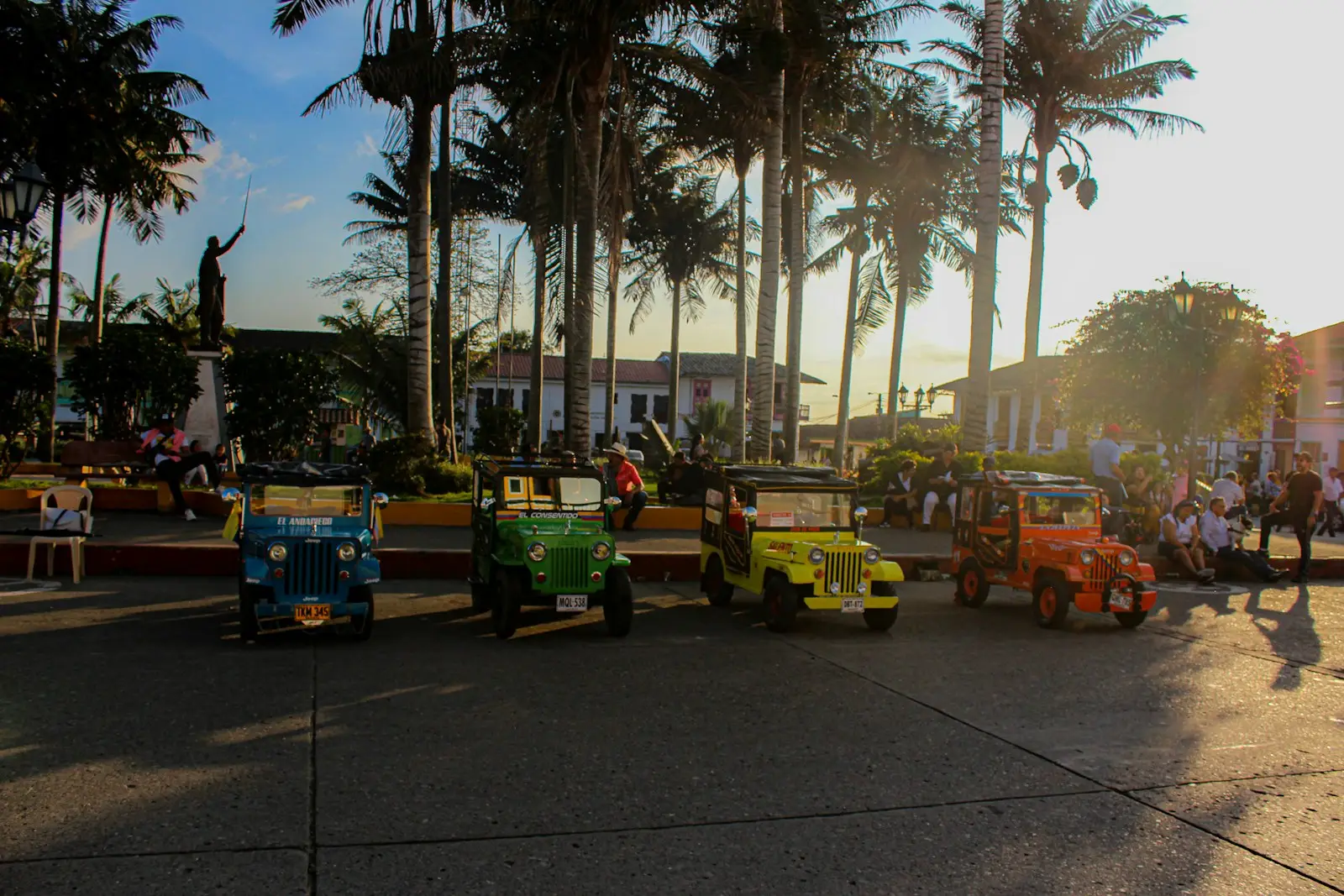
These are jeeps from the 1950s — a legacy of post-war American surplus — that became the workhorse of coffee transport across these mountains and are today one of the region's most enduring symbols. They depart constantly from Salento's main square toward the Valle del Cocora, Filandia, and the surrounding farms.
How it works: they are shared rides. You wait in the square, the jeep fills up, and off it goes. Some passengers ride standing in the open back — known locally as "willysferoz" — which is half the fun. It is cheap, and it is how locals get around. One important note: always carry cash. Many jeeps, farm entrances, and small expenses do not accept cards. Bring Colombian pesos in small bills.
4. The Valle del Cocora: The Tallest Palm Trees in the World
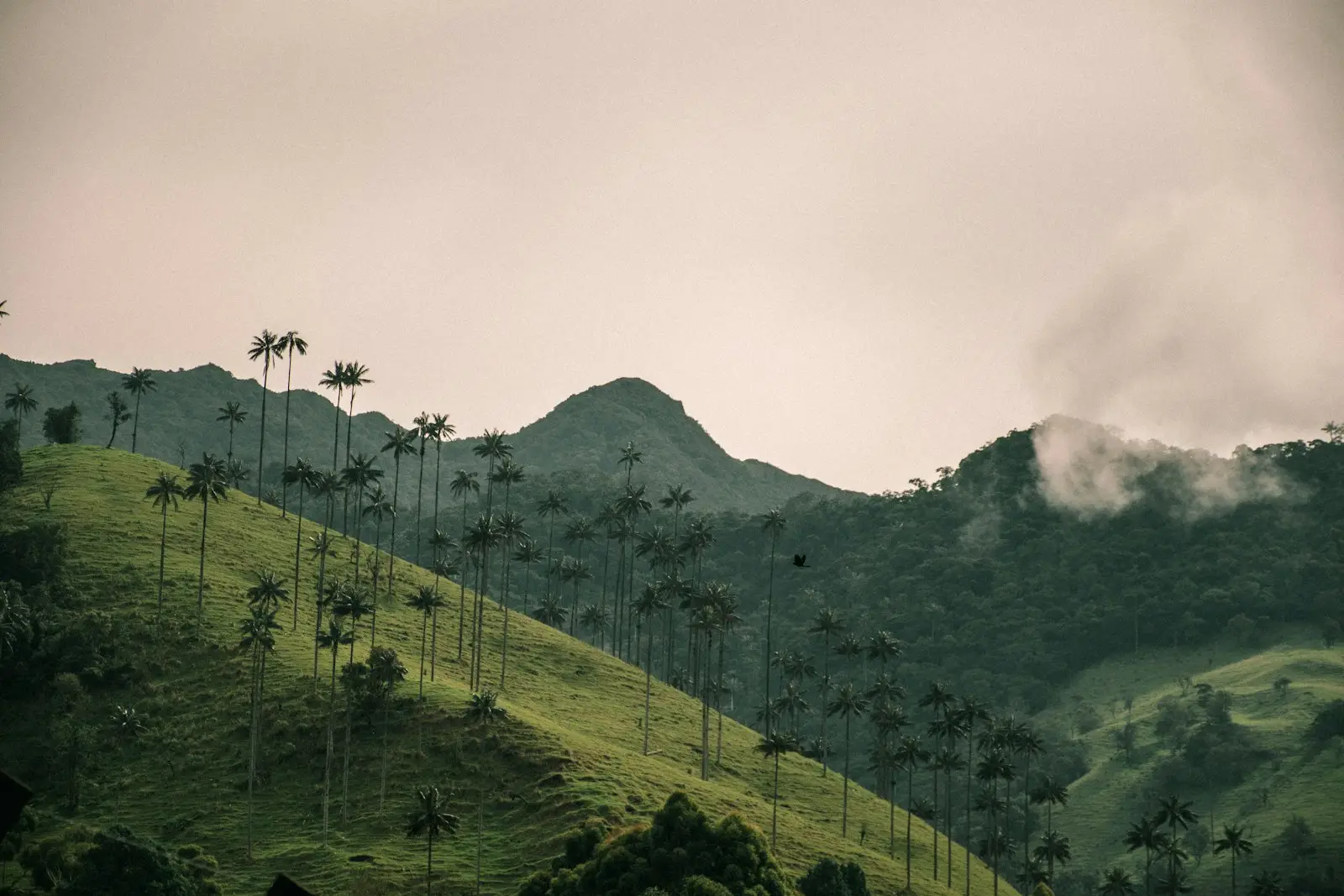
Half an hour from Salento by jeep lies Colombia's most iconic vista: the Valle del Cocora, a lush green valley from which wax palms — the national tree — soar to over 60 meters, making them the tallest palm trees on earth. Watching them rise from the mist, impossibly tall and solitary against the hills, is an image unlike anything else.
The short route: you head directly to the far end of the trail, where the most photogenic palms stand. It is easy, suitable for everyone, and perfectly sufficient for those iconic shots. A couple of hours will do.
The long route (around 12 km, 4-6 hours): known as the "route of the 7 bridges." It winds through cloud forest, crosses rivers on suspension bridges, climbs over hills, and ends in the palm grove. It is demanding and the terrain is uneven, but it ranks among the finest hikes in Colombia.
Three essential tips: start early — before 9:00 a.m. you will find fewer crowds and less rain; bring a waterproof jacket and trekking shoes because the weather can turn within hours; and on the long route, keep a close eye on the map, as the trail junctions are easy to miss.
5. The Coffee Tour: What Happens Inside a Farm
This is the heart of the journey, and where it pays to choose well.
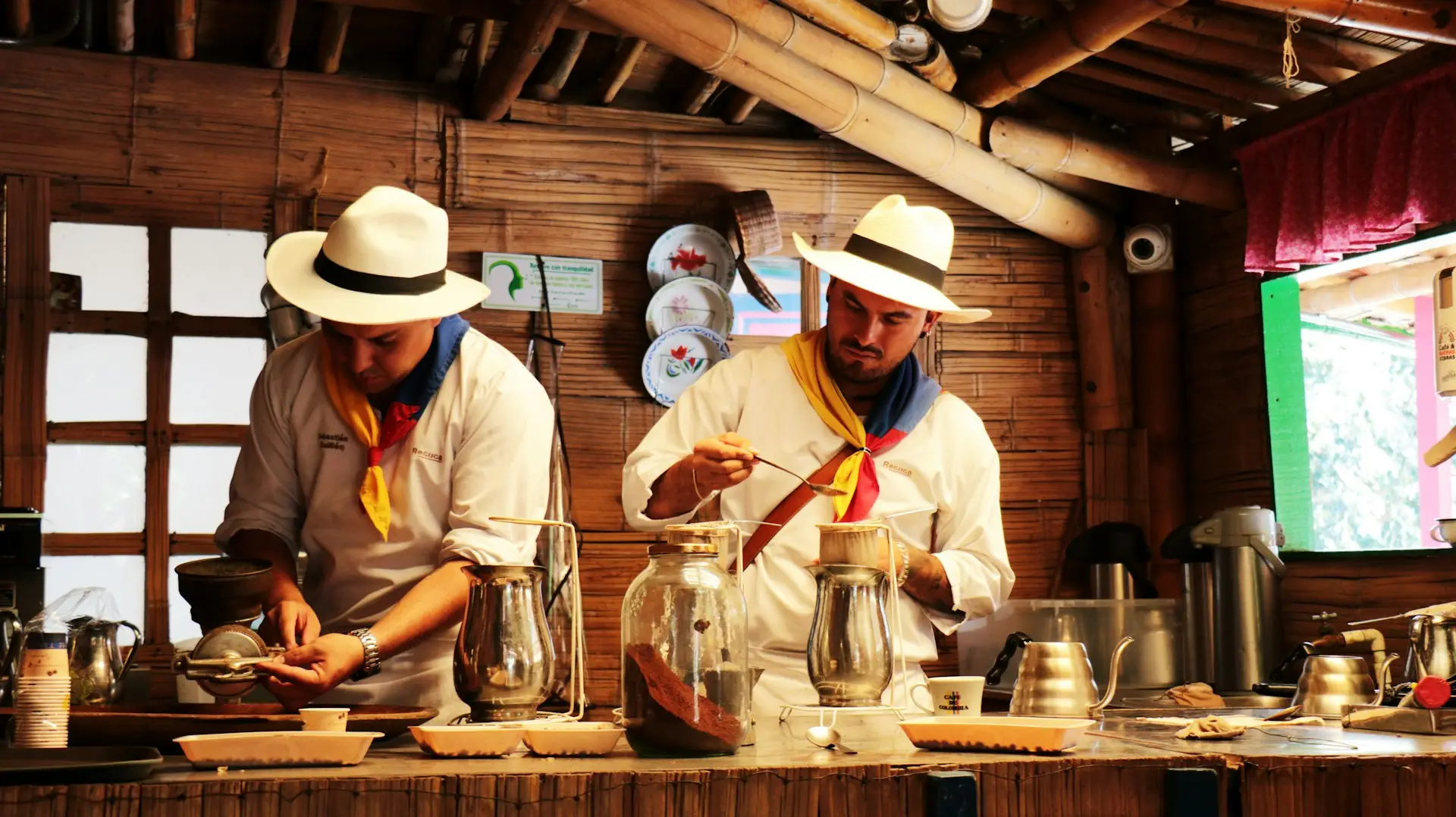
A coffee tour on a working farm takes you through the entire process, from bean to cup. It is not a lecture — it means getting into the coffee grove with a basket and getting your hands dirty.
1. Planting. Coffee begins in a nursery; the seedlings — known as "chapolas" — are transplanted into the plantation.
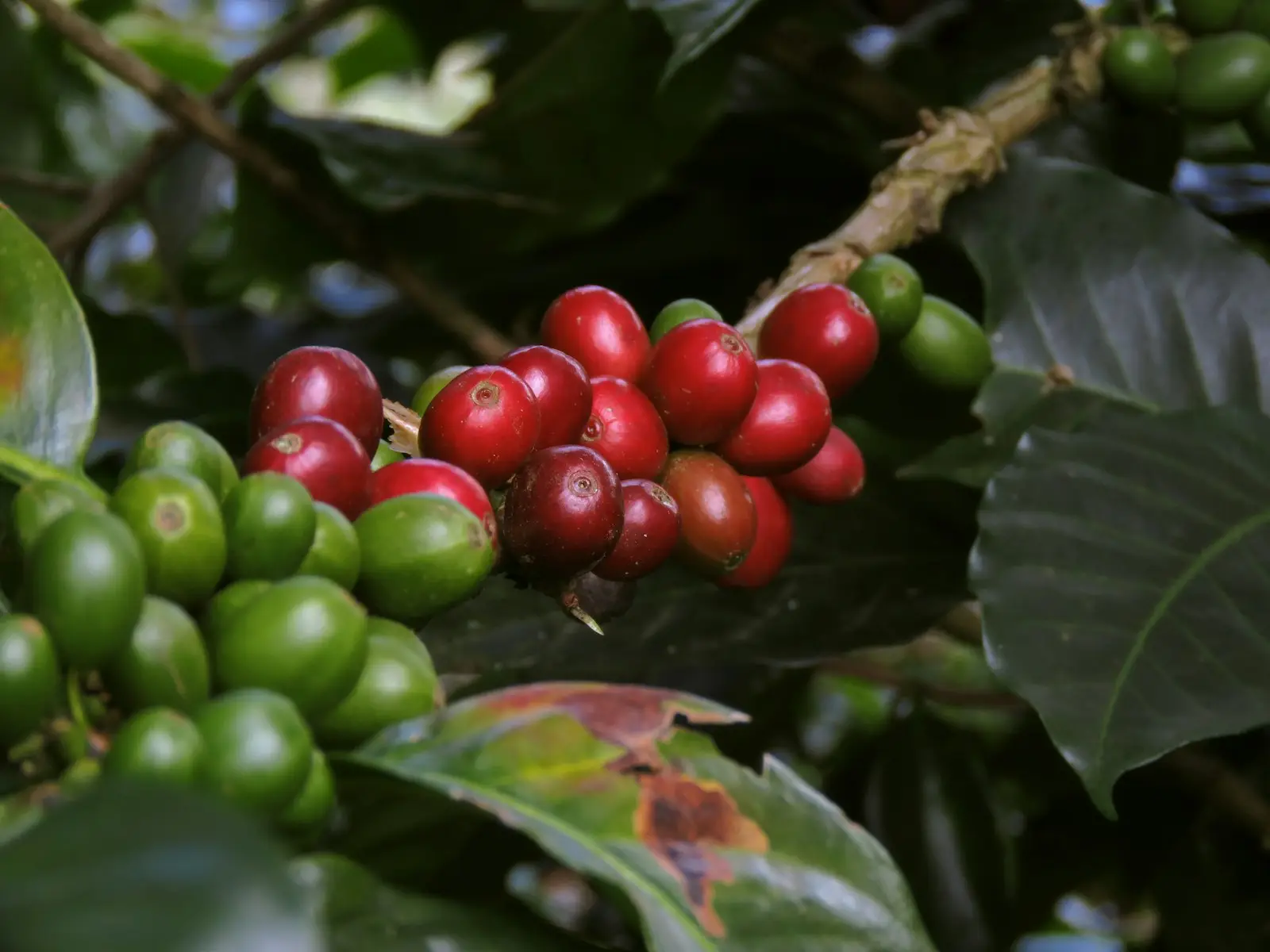
2. Harvesting. You are handed a basket and pick ripe cherries by hand — only the red ones — just as the pickers do. It is harder than it looks.
3. Pulping. The bean is separated from the skin, either by hand or using a pulping machine.
4. Fermentation. The bean rests in water for a period; this is where much of its aroma develops.
5. Washing and drying. The beans are washed and then sun-dried on open terraces or in artisan drying beds.
6. Roasting. The green bean is roasted — and this is where much of the final flavor is defined.
7. Cupping. At the end, you learn to cup: to identify aromas, acidity, and body, and to distinguish a commercial coffee from a single-origin coffee.
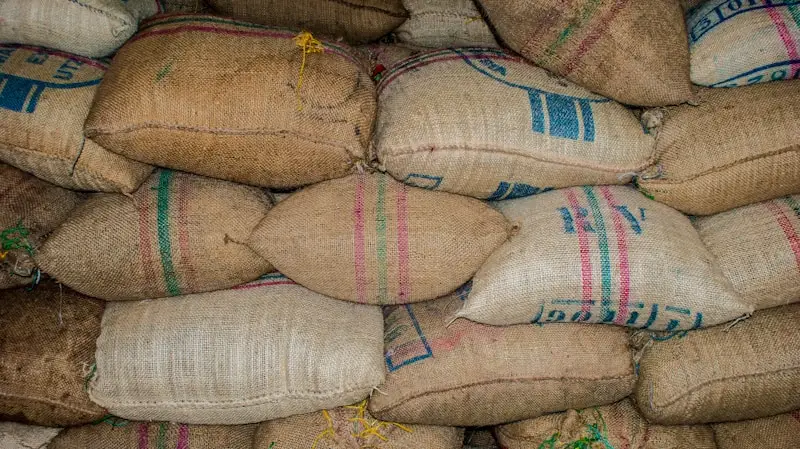
The honest fact that puts everything in context: at the farm, they will explain that the finest beans are exported unroasted. In fact, Colombia exports around 93% of its production; to supply domestic consumption, lower-grade coffee — known as "pasilla" — is even imported from neighboring countries such as Ecuador and Peru. This is why the coffee many Colombians drink every day is not the exceptional single-origin coffee the country produces. Understanding it changes how you look at every cup.
A social note: growers work extraordinarily hard for very little return; the margins are captured elsewhere in the supply chain. Cooperatives exist precisely to improve their bargaining power. A good tour will tell you this plainly, without sugarcoating.
Sacks of Colombian coffee ready for export
Foto: Julian Andres Carmona Serrato · Unsplash · Unsplash
Cupping: learning to distinguish single-origin coffee
Not all farms offer the same experience, and the difference matters.
The large and well-known ones — El Ocaso is the most famous — run polished tours in multiple languages, with fixed schedules and high footfall. They are comfortable and comprehensive, covering the plantation, processing station, warehouse, and roastery. Ideal if it is your first time and you want everything explained.
Among the smaller farms, Finca Buenos Aires (on the outskirts of Salento) is one that genuinely maintains artisan methods: you walk the plantation with the actual pickers, take part in the harvest and bean selection, and finish with an unhurried, face-to-face cupping session. The tour is moderate in difficulty — much of it is done by jeep — and can be adapted to how much walking you want. It is the ideal stop if you are looking for an authentic coffee experience away from mass tourism. In the same spirit, Las Brisas and other family-run farms in the area offer the same personal approach.
Our recommendation: if you have just one day, a large farm will show you everything. If you have two, combine a large one (to understand the full process) with a small one (to live it without rushing). Many farms lie en route to the Cocora, so they chain together naturally. The popular ones fill up fast — book ahead, especially during high season and weekends.
7. Beyond Salento and the Cocora
The Eje Cafetero has far more to offer than its two must-sees.
Filandia. The other beautiful town, quieter than Salento, with a viewpoint (Colina Iluminada) offering 360-degree views across the region.
Termales de Santa Rosa de Cabal. Natural hot springs set among waterfalls — perfect for resting weary legs after the Cocora. Among the finest thermal springs in Colombia.
Parque del Café (Montenegro). A theme park dedicated to coffee, with rides and attractions. Very family-friendly and very touristy; it works well with children, less so if authenticity is your priority.
Charming villages: Buenavista and Pijao — one of the world's designated "slow towns" — for travelers who want to step off the beaten path.
The cities: Pereira, Armenia, and Manizales are the regional capitals. They are not the main draw, but they are the gateways — home to El Edén and Matecaña airports — and useful logistical hubs.
8. When to Go
The Eje Cafetero has a tropical mountain climate: spring-like almost all year round, with rainfall spread throughout.
The dry seasons — roughly December to March and July to August — are the most comfortable for hiking and exploring the Cocora without mud. They are also the busiest.
The rainy seasons bring more mud and a higher chance of getting wet, but the landscape is greener and the crowds thinner. In any case, afternoon rain is almost guaranteed: plan your walks for the morning, year-round.
There are two main coffee harvests a year: the principal one around October to December, and the "mitaca" around April to May. If your trip coincides with either, you will see the plantations heavy with red cherries and the farms buzzing with harvesting activity.
9. Getting Around and Practical Logistics
Getting there. The region's airports are El Edén (Armenia) and Matecaña (Pereira), with flights from Bogotá, Medellín, Cali, and Cartagena. From there, reach Salento by car or local transport.
Between towns. Buses and shared minibuses connect Salento, Filandia, Armenia, and Pereira. For the farms and the Cocora, the Willys jeep is your vehicle.
Renting a car. If you want to explore the region at your own pace and reach remote farms and villages, renting a car is worth it. The roads are mountain roads — winding, but generally in good condition.
Cash, always. Outside the cities and larger hotels, cash is king. Carry Colombian pesos in small bills.
Where to Stay in the Eje Cafetero
In the Eje Cafetero you can sleep in town — Salento or Filandia, for easy access to restaurants and nightlife — or on a coffee farm (to wake up surrounded by plantations, the most immersive option). Both work well; it comes down to whether you prioritize atmosphere or immersion. At Fee4Me we manage vacation rentals in Colombia and are continually adding new properties. We do not currently have listings in the Eje Cafetero, but we do in Bucaramanga. If you own a property in Colombia and are thinking about putting it on the vacation rental market, let's talk.
Three or four days allow you to cover the essentials without rushing: one for Salento and the Valle del Cocora, one for a coffee tour on a farm, and one or two for Filandia, the Termales de Santa Rosa de Cabal, or villages like Pijao. You can do it in less, but you will feel the pace.
It depends on what you are looking for. Large farms like El Ocaso offer very complete tours in multiple languages with fixed schedules — ideal for a first visit. Smaller, family-run farms like Finca Buenos Aires or Las Brisas provide a more direct and authentic experience with fewer people. If you have two days, combine one of each.
Yes. Before 9:00 a.m. is ideal: fewer people and less rain. Afternoons almost always bring rain in the region, so it is worth planning walks for the morning throughout the year. Bring a waterproof jacket and trekking shoes — the weather can change within a single day.
Because Colombia exports around **93% of its production**: the best beans leave unroasted so they can be roasted at their destination and retain their aromas. To cover domestic consumption, lower-grade coffee — known as "pasilla" — is even imported from Ecuador and Peru. On a good coffee tour you learn to distinguish a commercial coffee from a single-origin one, and that distinction is the key to understanding this paradox.
Within the region, by Willys jeep: classic jeeps that depart constantly from Salento's main square toward the Cocora, Filandia, and the surrounding farms. Between cities, there are buses and shared minibuses. If you want to reach off-the-beaten-path spots at your own pace, renting a car is worth it. Always carry cash — outside larger hotels, many places do not accept cards.
Experiences
Book your activities in Quindío
Curated experiences by GetYourGuide, our official partner.