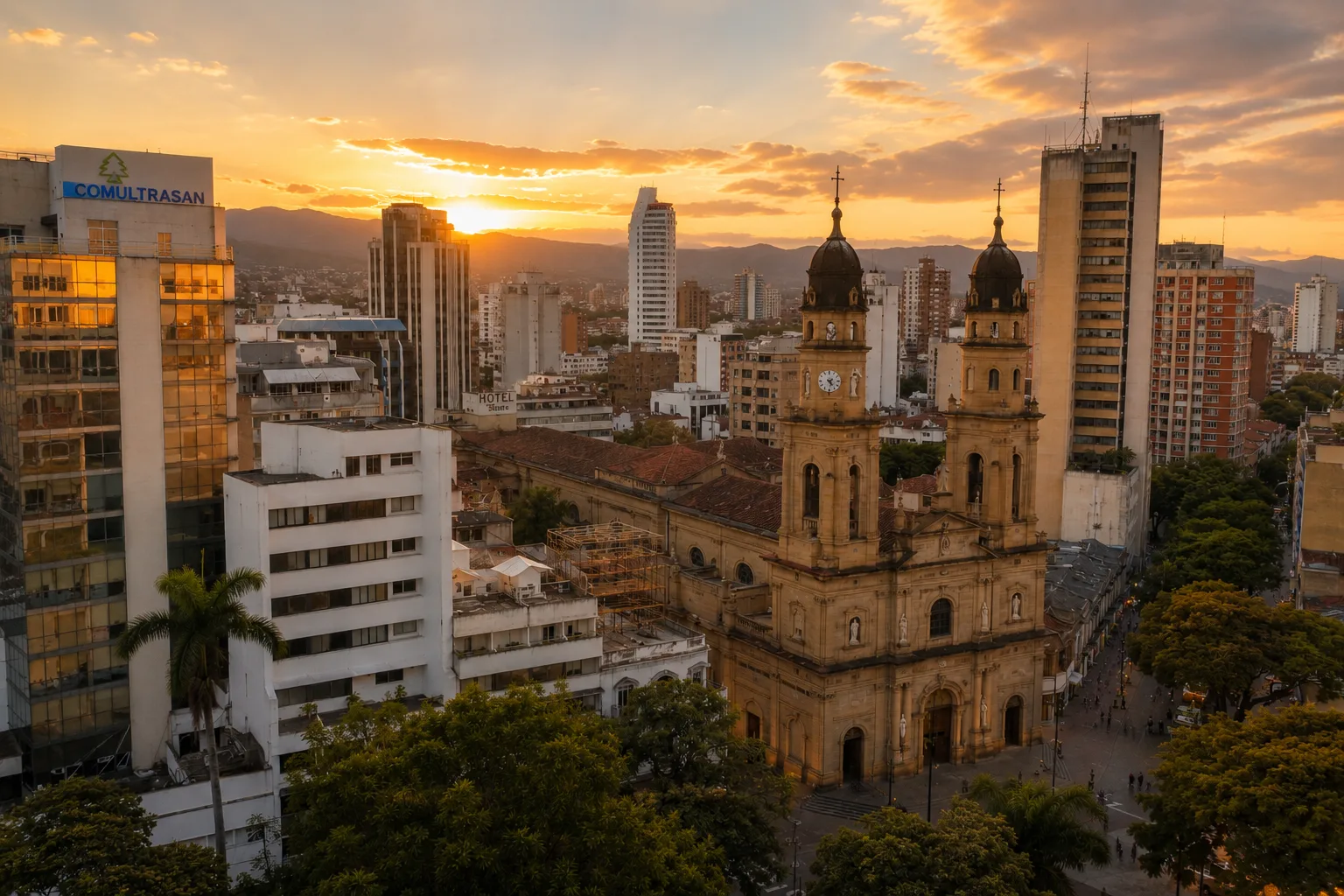
Bucaramanga and Santander guide: what to see and where to stay
Colombia's "beautiful city", gateway to the Chicamocha Canyon, Barichara and San Gil.
Bucaramanga is known as "the beautiful city" and "the city of parks", and both are true. Capital of the department of Santander, in north-eastern Colombia, it is a warm, friendly city, surrounded by one of the most spectacular areas in the country for nature and adventure travel.
Why Bucaramanga
Bucaramanga is known as "the beautiful city" and "the city of parks", and both are true. Capital of the department of Santander, in north-eastern Colombia, it is a warm, friendly city, with a quality of life that surprises newcomers, and surrounded by one of the most spectacular areas in the country for nature and adventure travel.
But Bucaramanga's great secret is what lies around it. Less than two hours away you'll find the Chicamocha Canyon —deeper than the Grand Canyon of the Colorado— Barichara —for many, the most beautiful village in Colombia— and San Gil, the country's adventure sports capital. Bucaramanga is the perfect gateway to all of it: the comfortable city to stay in and set out from to explore Santander.
"Santander has something unique: Colombia's most extreme nature right beside the most comfortable city from which to explore it."
What to see: the essentials
Bucaramanga is a city to live in rather than one for ticking off monuments, but it has its spots:
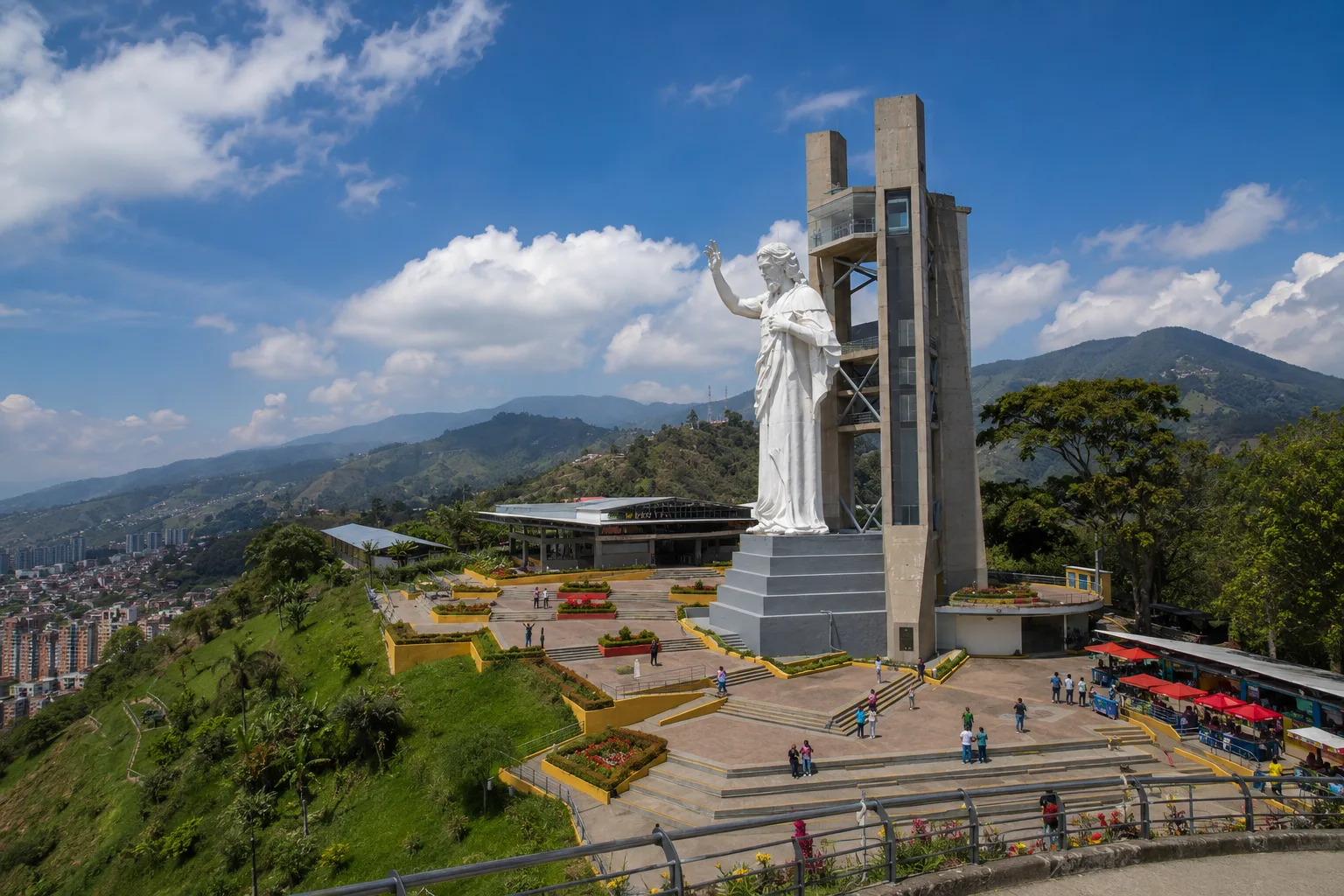
Cerro del Santísimo. Bucaramanga's great viewpoint: an eco-park crowned by a huge statue of Christ, with panoramic views over the whole city. You ride up by cable car, and it's spectacular at sunset and after dark, when the city lights up.
The parks of the centre. Bucaramanga is "the city of parks": Parque García Rovira, Parque de los Niños, Parque San Pío (with sculptures by Botero). Strolling between them is the best way to get a feel for the city.
Paragliding in Ruitoque. One of the best places in Colombia to paraglide, on the Ruitoque plateau, with the valley at your feet. You can fly tandem with no experience.
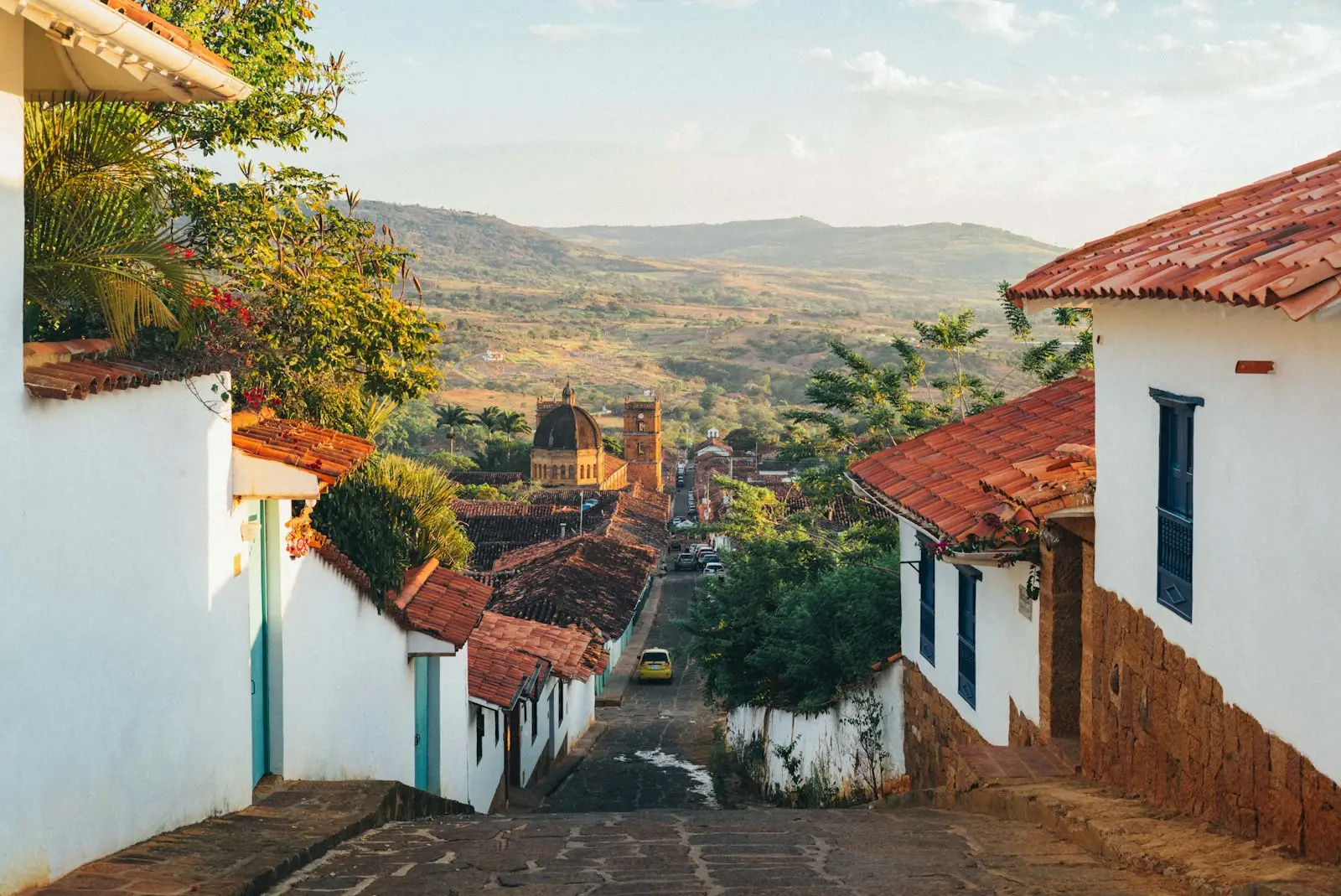
Girón. Within the metropolitan area, Girón is a lovely colonial town of white, cobbled streets, a National Monument, just a stone's throw from the city.
ON THE MAP
- Bucaramanga (city centre)
- Cerro del Santísimo
- Girón (colonial town)
- Chicamocha National Park (Panachi)
- San Gil
- Barichara
- Topocoro Lake
- Barrio Campestre (scenic restaurant)
The surroundings: Santander's true treasure
The best thing about coming to Bucaramanga is what surrounds it. These are the must-do excursions:
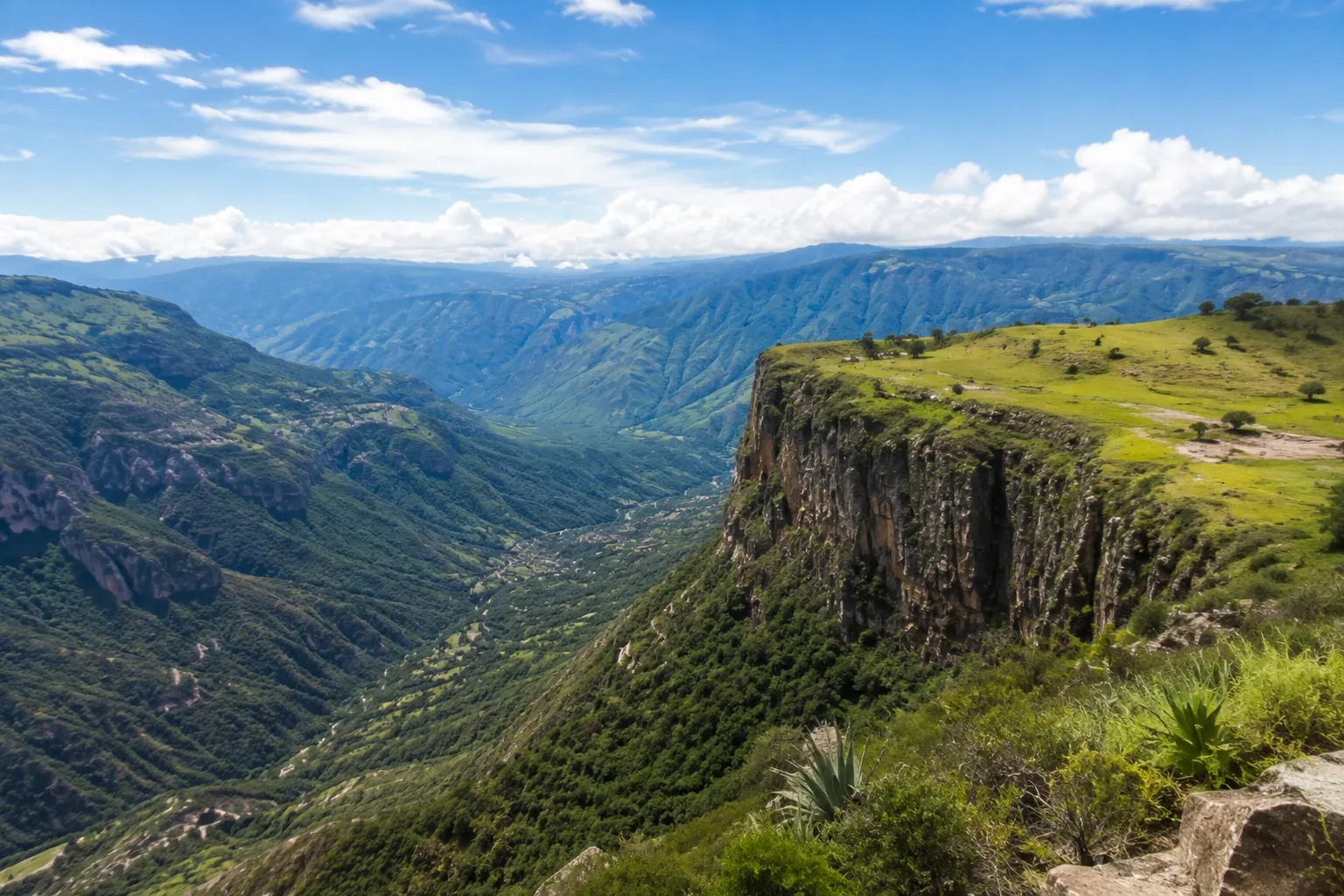
Chicamocha Canyon. One of the deepest canyons in the world: more than 2,000 metres deep and 200 km long, deeper than Arizona's Grand Canyon. The star way to experience it is the Parque Nacional del Chicamocha (Panachi), around 60 km from Bucaramanga, with its 6.3 km cable car (opened in 2009) that crosses the canyon from one side to the other with a drop of more than 1,200 metres, on a ride of about 30 minutes. The park has viewpoints, the Monumento a la Santandereanidad, a water park and adventure sports.
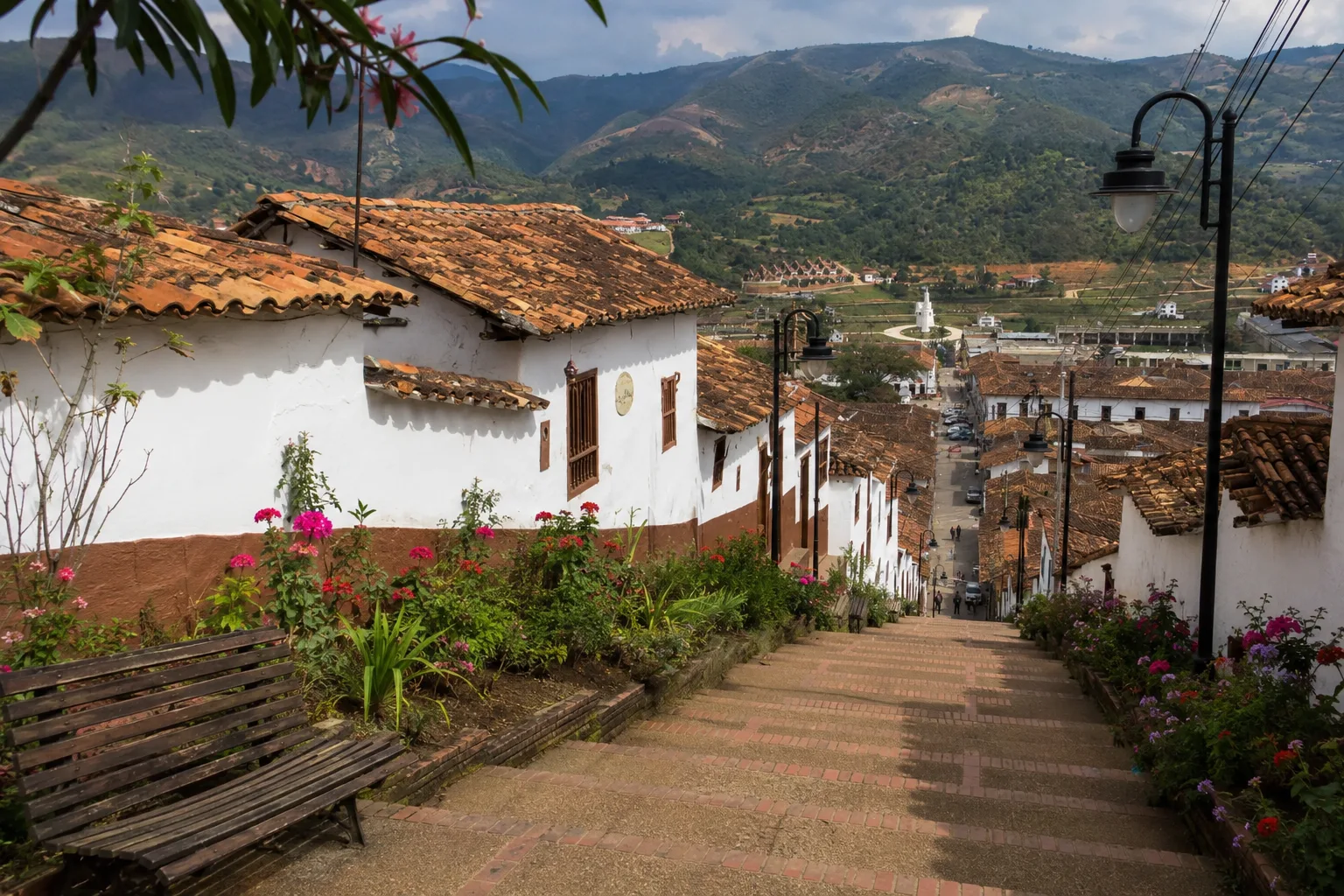
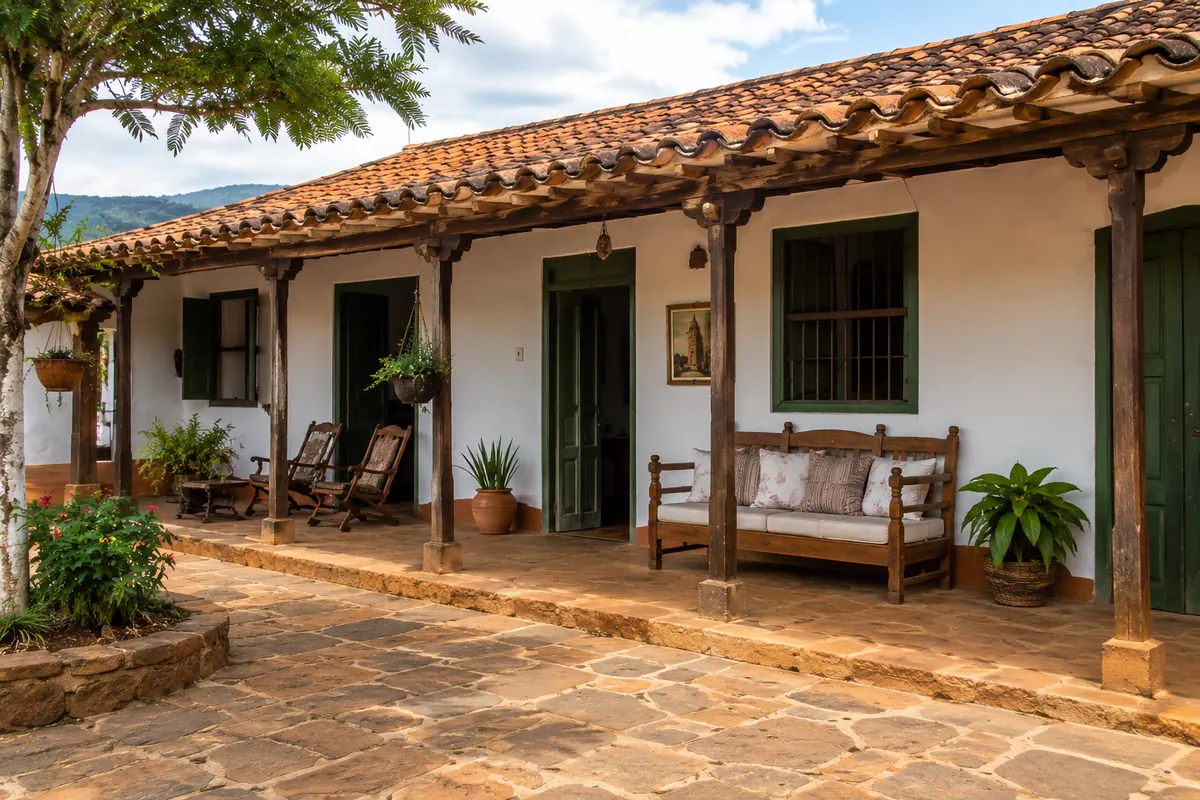
Barichara. Named the most beautiful village in Colombia, and a National Monument. Cobbled streets, white rammed-earth houses, silence and a beauty that takes your breath away. It lies around 22 km from San Gil. From here the Camino Real sets off, a historic cobbled trail that leads down to the even smaller village of Guane (a beautiful walk of about 2 hours).
San Gil. Colombia's adventure sports capital: rafting on the Fonce river, paragliding, abseiling, caving and canyoning. It is also the gateway to the Cascada de Juan Curí (250 metres, one of the highest waterfalls in Colombia).
Lake (reservoir) Topocoro. The largest artificial lake in Santander, formed by the Hidrosogamoso dam. A sheet of water among the mountains for boat trips and water sports.
Getting to San Gil / Barichara: from Bucaramanga you go by road (Route 45A), a 1 h 45 min to 2 h drive that runs through the Chicamocha Canyon itself —the journey is already part of the show—. There are frequent intercity buses from Bucaramanga's Terminal de Transportes. San Gil has a small airport (Los Pozos) with connections to Medellín.
Mesa de los Santos: coffee, nature and canyon views
The Mesa de los Santos is a plateau at around 1,800 metres above sea level, less than an hour from Bucaramanga, that feels like a secret the locals keep to themselves. A privileged microclimate —cooler than the city, with morning mist— makes this area the great green lung of the region.
The setting is perfect for horse-riding or cycling routes between coffee farms, with views of the Chicamocha Canyon opening up in the distance. It is also home to the most famous arepas de chócolo in Santander: there are several roadside restaurants where breakfast —arepa, hot chocolate and cheese— is a small celebration.
You can do it in half a day as a getaway from Bucaramanga, or combine it with a visit to Panachi (the Chicamocha park is on the way down).
The Santander coffee route
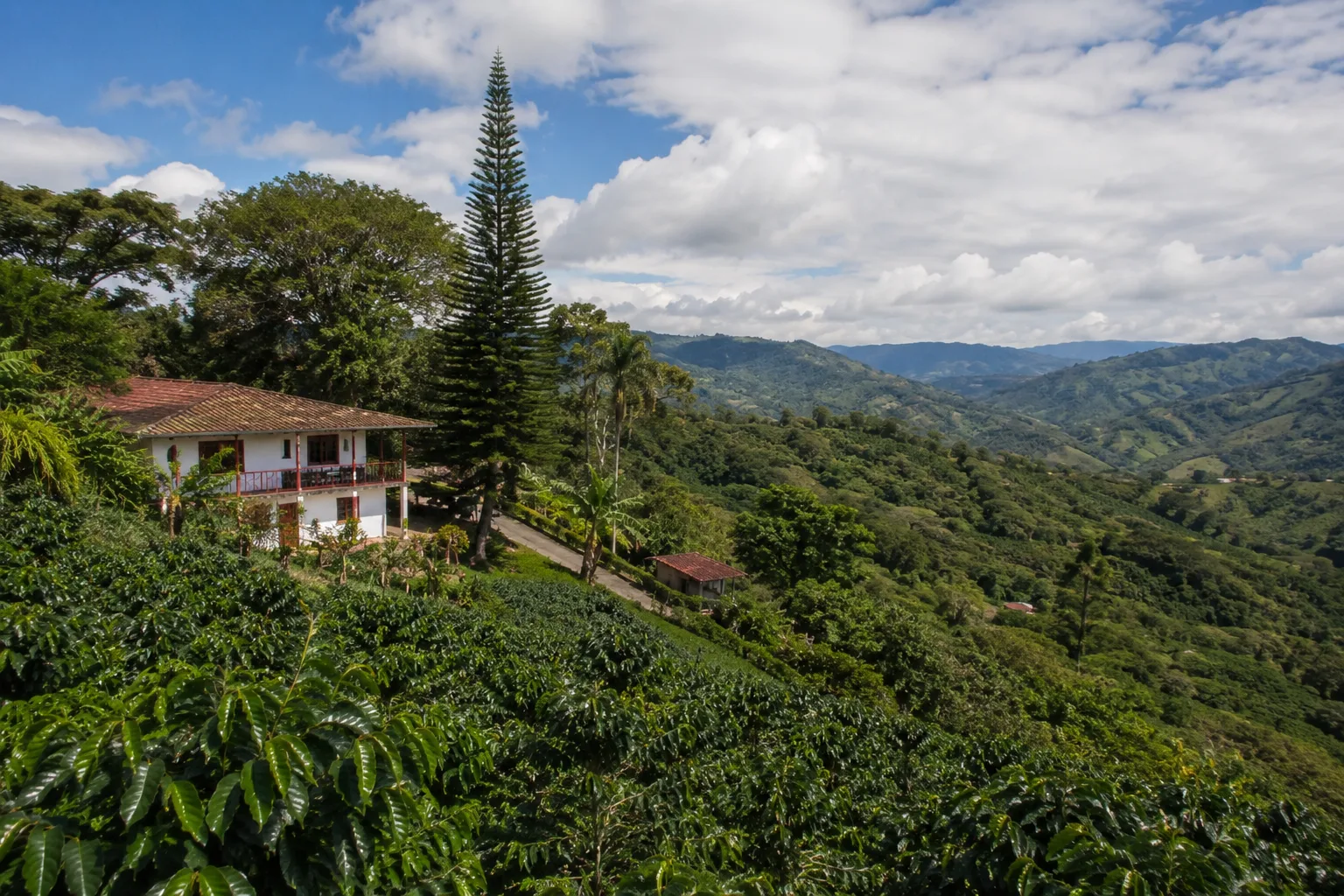
Santander is one of Colombia's great producers of speciality coffee, with high-altitude farms in areas such as the Mesa de los Santos, Zapatoca and the corridor between Bucaramanga and Barichara. Unlike the Coffee Region (Eje Cafetero), coffee agritourism here is still far from mass tourism: you can visit farms in an intimate way, see the whole process —from the flowering of the coffee plant to the roasting— and enjoy a freshly made cup with the mountains as a backdrop.
Some farms also offer accommodation, which turns the visit into a one- or two-day experience completely different from the city. If you love coffee, it's worth planning at least half a day here.
Zapatoca, the village with a silken climate
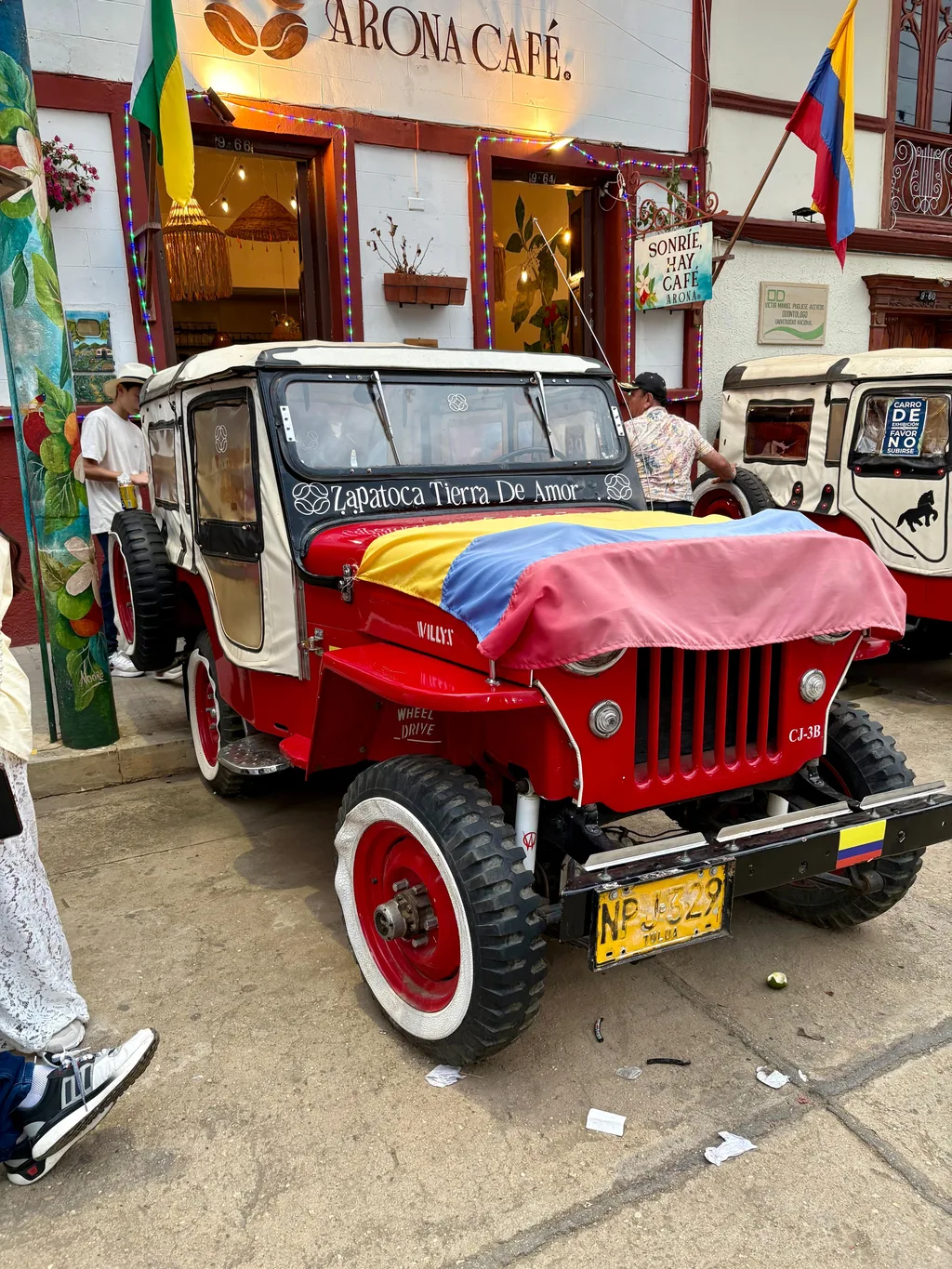
Around 80 km south-west of Bucaramanga, Zapatoca is one of those Colombian villages that very few tourists know and that Santander locals adore. Its nickname —"the village with a silken climate"— comes from its perfect temperature all year round: neither the heat of the city nor the cold of the páramos.
The historic centre preserves its colonial architecture in good condition, and the surroundings invite you to walk among pastures and viewpoints. On the outskirts lies the Cueva de los Guácharos, a cave with a colony of oilbirds (guácharos) —nocturnal birds that navigate by echolocation, unique in the region— that is worth a visit even if you're no caver.
Zapatoca is ideal as a half-day detour if you're travelling by car, or as a weekend destination from Bucaramanga to switch off completely.
Where to eat
Santander cooking is one of the most distinctive in Colombia, and eating here is part of the trip:
Cabro and pepitoria. Santander's most typical dish: roast kid goat, served with pepitoria (a rice made with the goat's offal and blood). Hearty and traditional.
Mute santandereano. A thick, robust soup with maize, several meats and chickpeas. The region's signature stew.
Hormigas culonas. Santander's culinary curiosity: large toasted ants eaten as a snack, an ancestral Guane tradition. Crunchy and salty; you have to try them at least once.
Arepa santandereana (made with hulled maize, thinner and toasted) and the arepa de chócolo on the Mesa de los Santos.
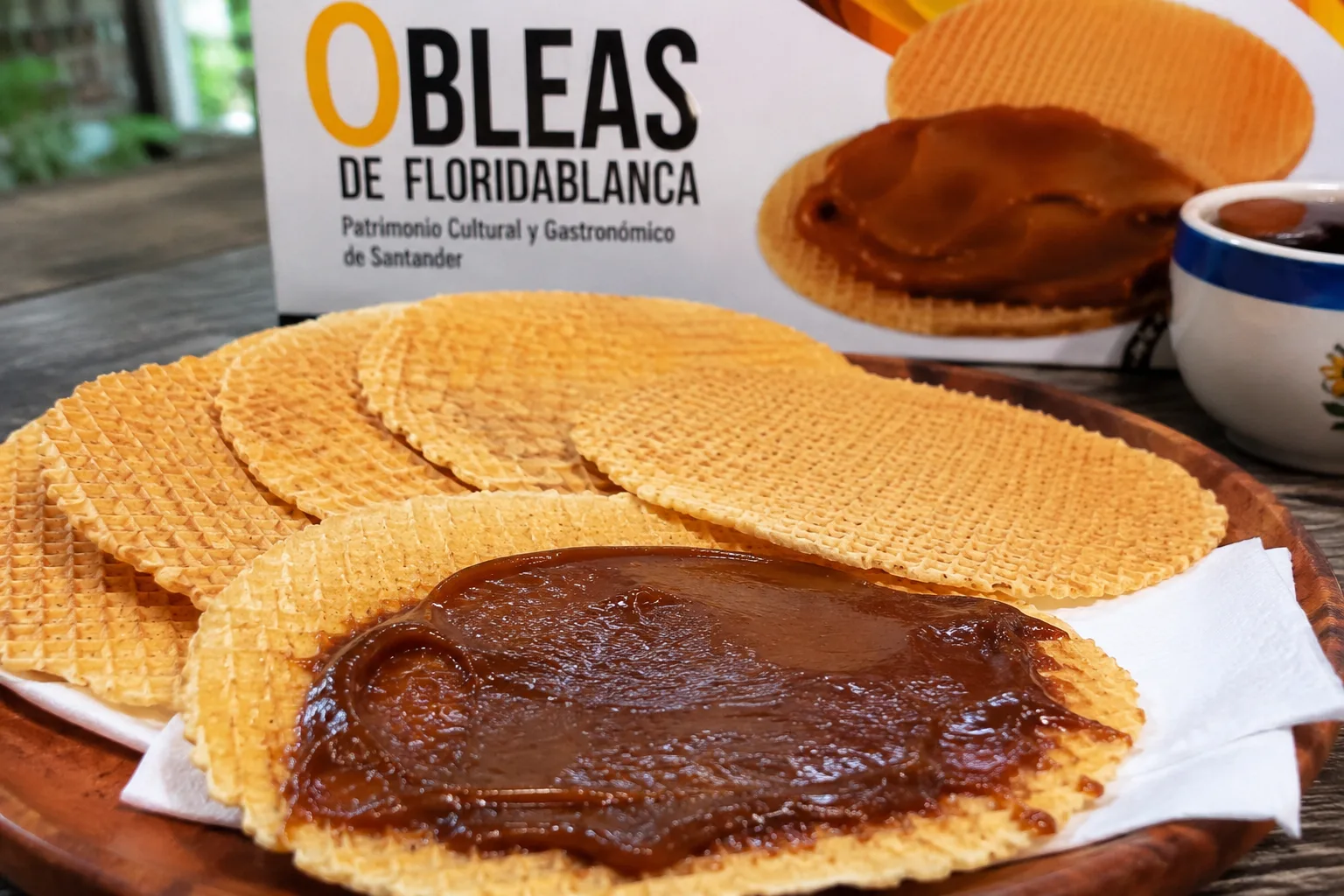
Obleas with arequipe. Across the metropolitan area —especially in Floridablanca— obleas are the afternoon treat: two crisp wafers filled with thick arequipe, with jam or cheese as optional extras. There are historic stalls that have stood on the same corners for decades and are worth the detour.
To eat well without fuss: the Cabecera del Llano neighbourhood and the Sotomayor area are packed with restaurants serving traditional Santander cooking, where families eat on Sundays. Cabro with pepitoria and carne oreada are the quintessential lunchtime dishes.
Barrio Campestre: open-air dining in the upper part of town on the way to Lebrija, with wide views and a countryside feel. Pet friendly.
Shopping: Santander leather
If there's one thing to take home from Santander, it's leather. The department has a craft tradition in leather goods that goes back centuries: bags, purses, belts, boots and jackets handmade from very high-quality leather, at prices well below what they would cost in Europe.
In Bucaramanga, the San Francisco neighbourhood and the historic centre are home to most of the artisan leather workshops and shops.
If you have time for an excursion, in the town of Curití (a municipality near San Gil) you'll find crafts made from fique —a natural plant fibre— such as bags, espadrilles and hammocks, all handmade by local artisans.
When to go
Bucaramanga has a warm climate all year round (averaging around 24 °C), so you can visit at any time. There are no marked seasons, only drier and wetter periods.
Dry seasons (roughly December–March and July–August): the best for outdoor activities and excursions to the canyon.
Rainy seasons: rain usually comes as afternoon downpours rather than all-day rain; it won't stop your trip, but it's worth bearing in mind for paragliding and adventure activities.
The Feria Bonita (September) is Bucaramanga's big festival, with music, fairs and a true Santander atmosphere.
Getting around
In the city: taxis and ride-hailing apps (such as Uber, DiDi or inDrive) are the most comfortable and affordable way to get around, and the most practical for day-to-day use. There are also city buses linking the main points of the city and the metropolitan area (Floridablanca, Girón, Piedecuesta).
For excursions: the best option is to book tours (to Chicamocha, Barichara, San Gil, Topocoro) that include transport, or to hire a car. Intercity buses from the Terminal serve San Gil and Barichara well.
Palonegro International Airport (BGA) is in Lebrija, about 30–45 minutes from the centre, with connections to Colombia's main cities.
Something different: adventure in San Gil
If you love adrenaline, Santander is one of the best destinations in Colombia:
Rafting on the Fonce river (San Gil) or, for a bigger challenge, the Suárez river, one of the best in South America for white-water rafting.
Paragliding: in Ruitoque (Bucaramanga) over the valley, or in the Chicamocha Canyon itself, flying over the abyss.
Canyoning and abseiling at the Cascada de Juan Curí.
Caving: explore caves such as the Cueva del Indio or the Cueva de la Vaca.
Everything can be booked in San Gil with local operators; no previous experience is needed for the beginner options.
Where to stay with Fee4Me
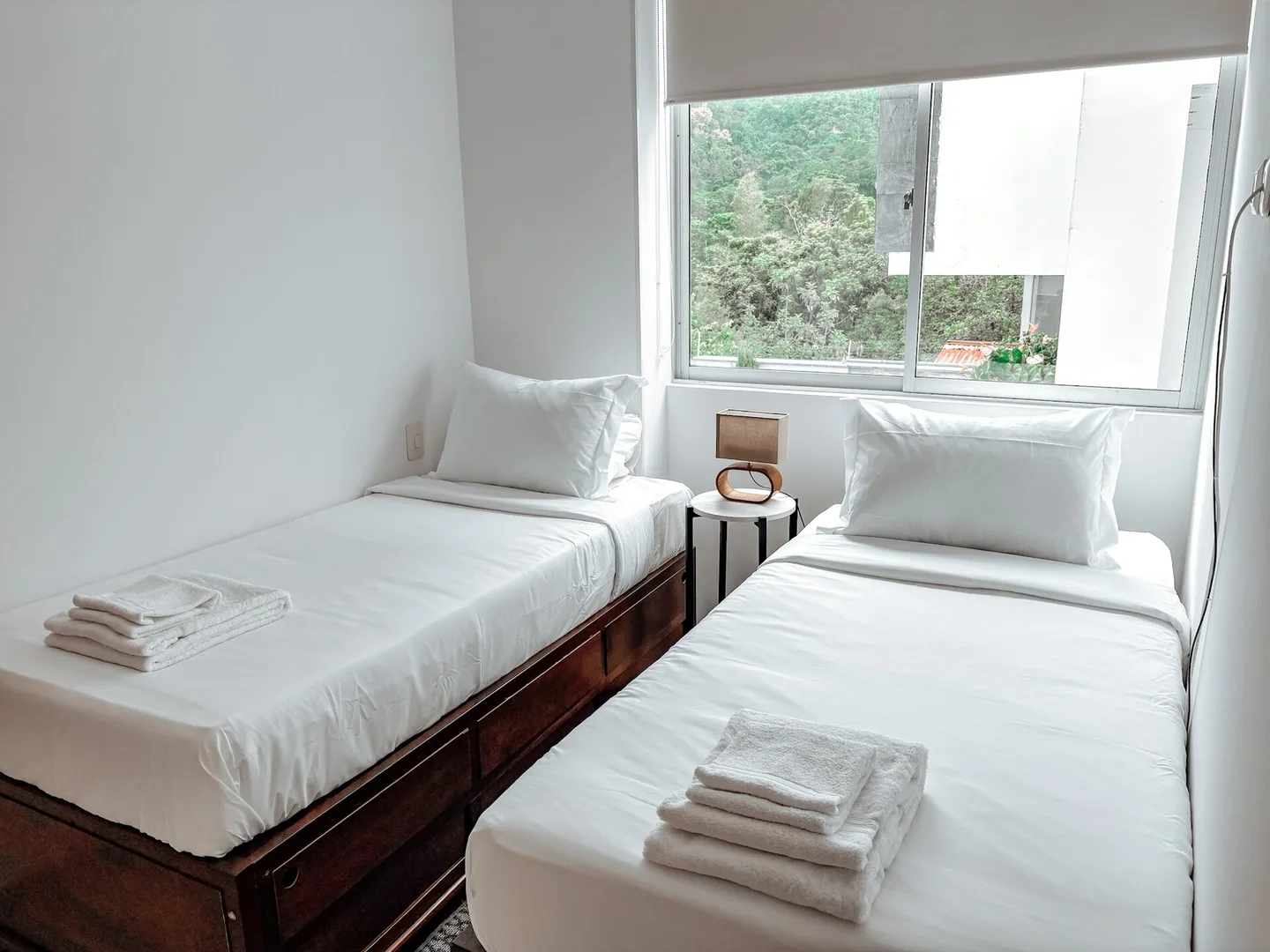
Bucaramanga is the ideal base for exploring Santander: a comfortable, warm and well-connected city. At Fee4Me we manage holiday accommodation in Bucaramanga, verified and with support throughout your stay.
OUR HOME IN BUCARAMANGA
Itinerary and tips
Day 1
The city, its parks and Cerro del Santísimo at sunset.
Dinner with a view in Bucaramanga's upper part of town.
Day 2
Parque Nacional del Chicamocha (Panachi): the cable car across the canyon.
Afternoon in Barichara: cobbled streets and a night in the village.
Day 3
San Gil: rafting on the Fonce or the Camino Real walk (Barichara → Guane).
Back to Bucaramanga or another night in Barichara.
With more time
If you have extra days, don't miss the Mesa de los Santos (a green plateau 1 h away, with canyon views), Zapatoca (a village with a perfect climate and colonial architecture, home to the Cueva de los Guácharos), Lake Topocoro (a reservoir ringed by mountains, ideal for a boat trip) and the Cascada de Juan Curí (250 metres, one of the highest waterfalls in Colombia, in San Gil).
Practical tips
Book Chicamocha and San Gil tours in advance in high season (Colombian public holidays).
Carry cash (pesos) for the villages and entrance fees; cards don't always work outside the city.
Stay the night in Barichara if you can: seeing it without the daytime crowds is unforgettable.
Try the hormigas culonas at least once: they're part of the Santander experience.
Experiences
Book activities in Bucaramanga
GetYourGuide, our official partner.
Things to do in Bucaramanga
Tours, guided visits and experiences, powered by GetYourGuide.
This will load content from GetYourGuide.
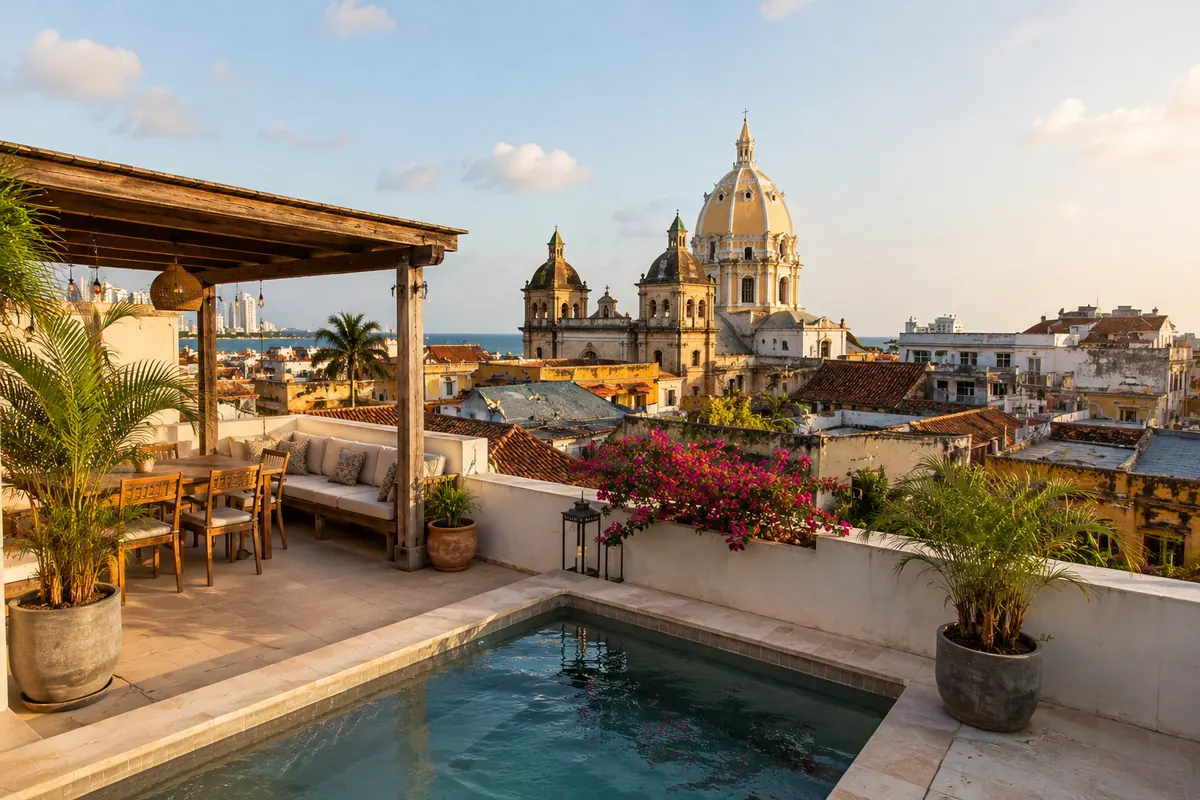 CartagenaRead guide
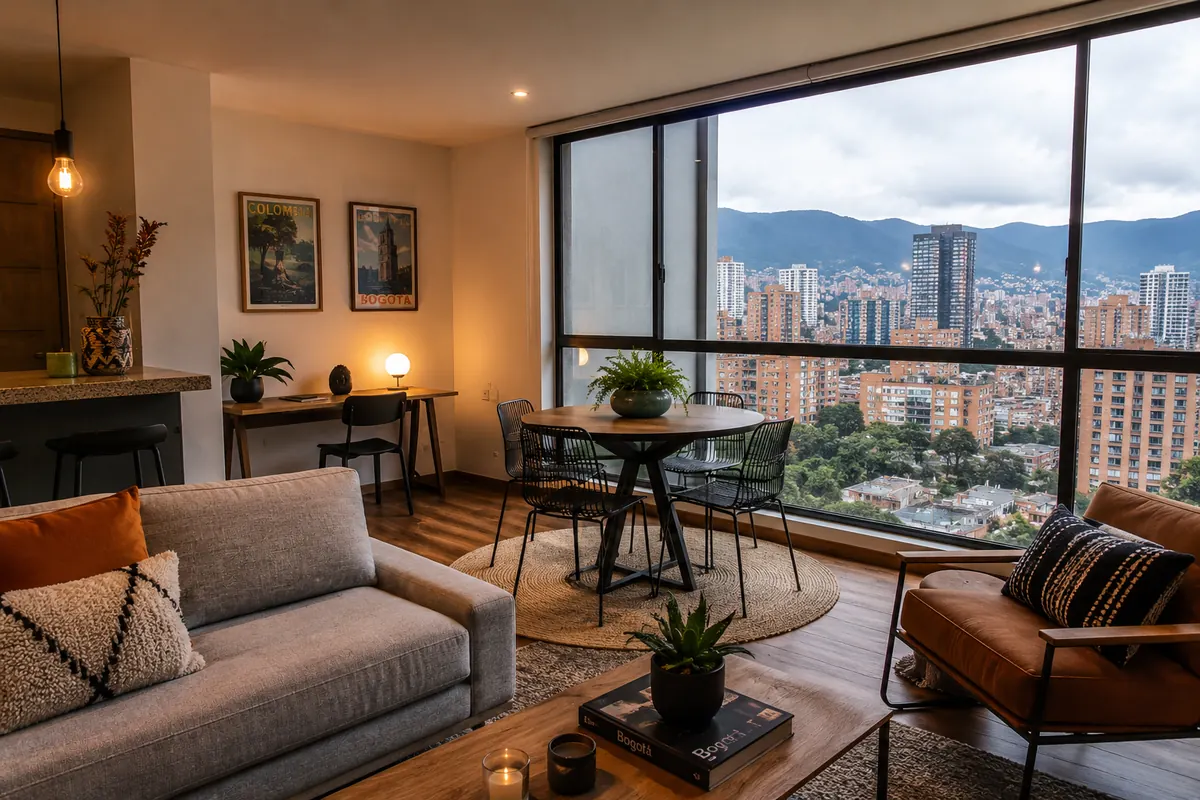 BogotáComing soon
 CaliComing soon
 BaricharaComing soon
 SalentoComing soon
 FilandiaComing soon