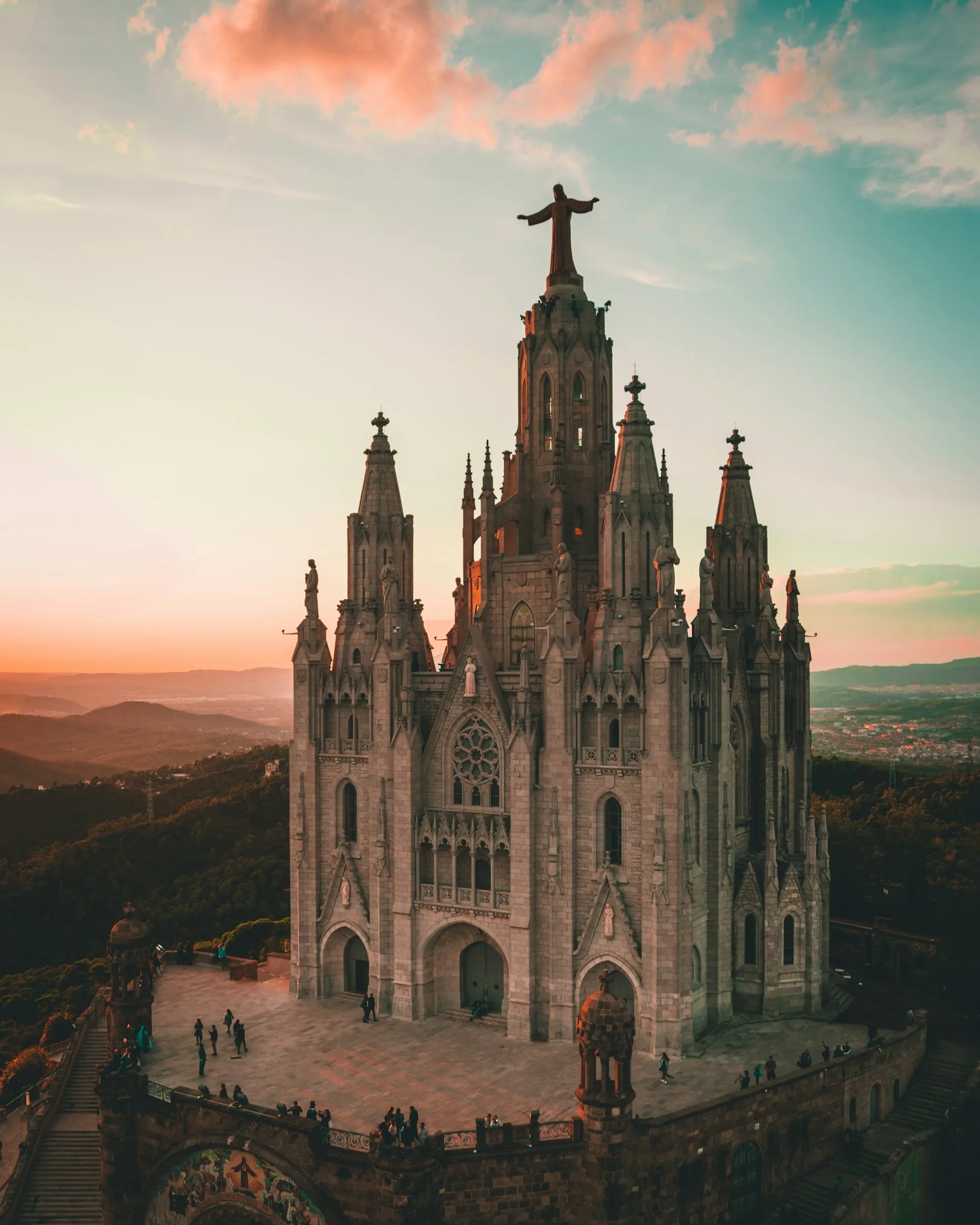
Barcelona Travel Guide
Mediterranean soul, Modernista stone and cosmopolitan spirit: the city of Gaudí up close.
Barcelona is Mediterranean at heart, Modernista in stone and cosmopolitan in spirit. Within a few city blocks you find the legacy of Gaudí, medieval alleyways and a food scene that draws chefs from around the world.
Why Barcelona
Barcelona is that rare city where you can have breakfast facing the sea, spend the morning among the most imaginative architecture in Europe and end the day at a viewpoint above the rooftops. Capital of Catalonia and Spain's second city, it combines a Mediterranean pulse — terraces, an urban beach, street life until late — with a cultural density few capitals can match. Here, all within walking distance, the medieval layout of the Barri Gòtic, the luminous grid of the Eixample and Gaudí's dreamlike silhouettes sit side by side.
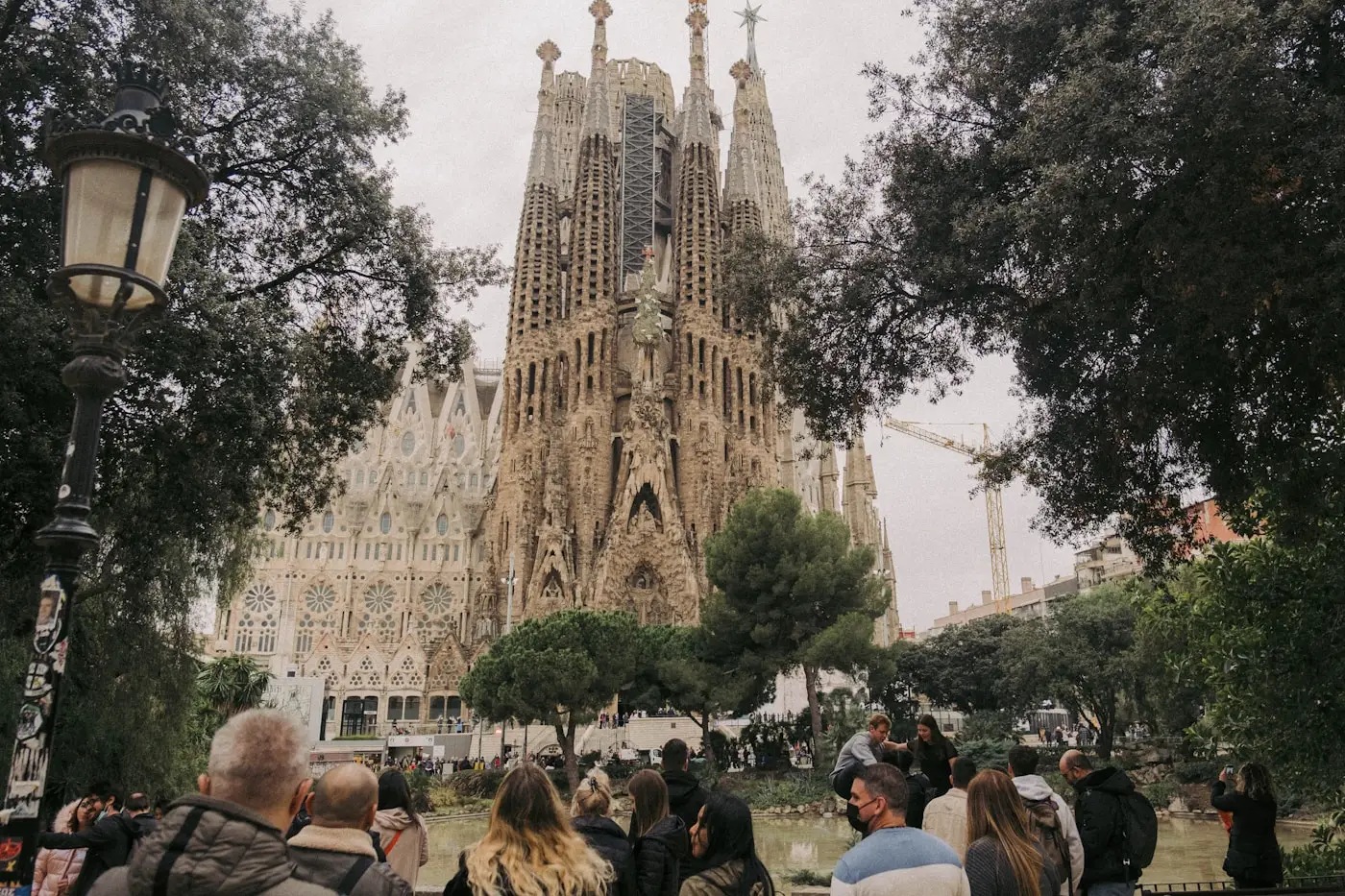
2026 makes it even more tempting: it marks the centenary of Antoni Gaudí's death — on 10 June — and the city holds the title of World Capital of Architecture, with more than 1,500 activities spread across its ten districts between February and December. Routes, exhibitions, concerts and special openings make this year the perfect moment to discover — or rediscover — the city the architect turned into his canvas. And best of all: Barcelona is easy to explore on foot and by metro, with the sea always downhill as your compass.
"Barcelona has the rare gift of making you feel at home from the very first day, no matter how far you have come from."
What to see: the essentials
Sagrada Família. Gaudí's unfinished temple is the visit you cannot miss, and in 2026 more than ever: the Tower of Jesus Christ is due to be crowned, and at 172.5 metres it makes the basilica the tallest building in Barcelona. Book your ticket online well in advance — slots sell out — and, if you can, go up one of the towers. The light filtering through the stained glass in mid-morning and at sunset, bathing the interior in blues and oranges, is a spectacle in itself.
Park Güell. Gaudí's most photogenic garden: the trencadís dragon on the staircase, the hypostyle hall with its leaning columns and the undulating bench on the upper square, with views over the whole city. The monumental area has limited capacity and set opening hours, so book a time slot online.
Passeig de Gràcia. Two masterpieces line this grand modernista avenue. Casa Batlló (Passeig de Gràcia, 43), with its scaled façade and organic interior without a single straight line, launches contemporary art exhibitions for the Gaudí Year, along with its celebrated night-time mapping on the façade. A few metres further up, La Pedrera (Casa Milà) dazzles with its rooftop of chimneys that look like stone warriors.
Barri Gòtic and the Cathedral. The medieval heart is a maze of alleyways, hidden squares and stone courtyards. Get lost without a map between Plaça del Rei, Plaça Sant Felip Neri and the Cathedral, and peek at the Roman ruins beneath the Museu d'Història.
La Rambla and the Mercat de la Boqueria. The city's most famous promenade runs down to the sea; halfway along, the Boqueria market is an explosion of colour, cut fruit, juices and stalls where you eat standing up.
The seafront. From Barceloneta to Port Olímpic, the promenade along the Mediterranean invites you to walk, eat seafood and slow down.
Montjuïc. The hill above the port brings together a castle with a viewpoint, terraced gardens, the Poble Espanyol, the Fundació Joan Miró and, at nightfall, the Font Màgica. Take the cable car up for the best views of the port.
Bunkers del Carmel. The locals' favourite viewpoint, and free: from the old bunkers on the Turó de la Rovira you can see the entire city, with the sea and the Sagrada Família in silhouette. Go at sunset.
Modernisme beyond Gaudí. Barcelona is the capital of modernisme, and not all of it is his work. The Palau de la Música Catalana, by Domènech i Montaner, is an explosion of stained glass, mosaics and sculpture: one of the most beautiful concert halls in the world and a UNESCO World Heritage Site. The Sant Pau Recinte Modernista, the former hospital that closes off Avinguda de Gaudí right opposite the Sagrada Família, is another dazzling ensemble and far less crowded.
Museu Picasso. In the Born, spread across five medieval palaces, it holds the largest collection of the early works of Picasso, an artist closely linked to the city. Book online; if you can, go on the first Sunday of the month, when entry is free.
More Gaudí, fewer queues. If the Gaudí Year has won you over, Casa Vicens (his first major work, in Gràcia), Palau Güell (next to La Rambla) and, on the outskirts, the Colonia Güell with its crypt let you see the architect without the Sagrada Família crowds.
ON THE MAP
- Sagrada Família
- Park Güell
- Casa Batlló · Passeig de Gràcia
- Cathedral / Gothic Quarter
- Mercat de la Boqueria · La Rambla
- Barceloneta · Waterfront
- Montjuïc · Castle
- Bunkers del Carmel
Neighbourhood by neighbourhood
Understanding the neighbourhoods helps you choose where to stay and what atmosphere to look for.
Eixample. The 19th-century grid designed by Ildefons Cerdà, with chamfered blocks, wide pavements and straight avenues crossing at right angles. It is Barcelona at its most elegant and orderly: the shops and modernista buildings of Passeig de Gràcia, the residential calm of its inner streets and a layout so easy to navigate that it is almost impossible to get lost. Very central and comfortable on foot.
Ciutat Vella: Gòtic, Born and Raval. The old town, three neighbourhoods with very different characters. The Gòtic is medieval and monumental, all stone and alleyways. The Born, with the Mercat del Born, the Museu Picasso and the basilica of Santa Maria del Mar, blends history with design shops and cocktail bars. The Raval, edgier and multicultural, is home to the MACBA and a lively bar scene (and it pays to keep your wits about you at night).
Gràcia. A former village absorbed by the city that has kept its identity. Its pedestrianised squares — Plaça del Sol, de la Virreina, del Diamant — are the neighbourhood's living room: terraces, independent shops, traditional granjas and bookshops. Just a short walk from Park Güell. If you come in August, the Festa Major de Gràcia fills the streets with decorations handmade by the residents themselves.
Barceloneta. The old fishermen's quarter, with narrow streets and washing hanging from the balconies, right by the beach and close to the centre. Perfect for fish, seafood and a quick dip, though it gets very crowded in summer.
Poblenou. Once the Catalan Manchester, now reinvented as the 22@ tech district. It keeps the Rambla del Poblenou, a relaxed local feel, galleries, converted former factories and quieter beaches such as Bogatell and Mar Bella.
Sant Antoni, Poble-sec and Sants. Authentic, less touristy neighbourhoods, with long-standing markets, good food at reasonable prices and, in Poble-sec, the lively Carrer de Blai and its pintxos. Ideal if you want to experience the city like a resident.
Uptown: Sarrià and Sant Gervasi. Residential, leafy and quiet, among the safest areas in the city. Somewhat further from the centre but well connected by the FGC trains, and close to CosmoCaixa and Tibidabo.
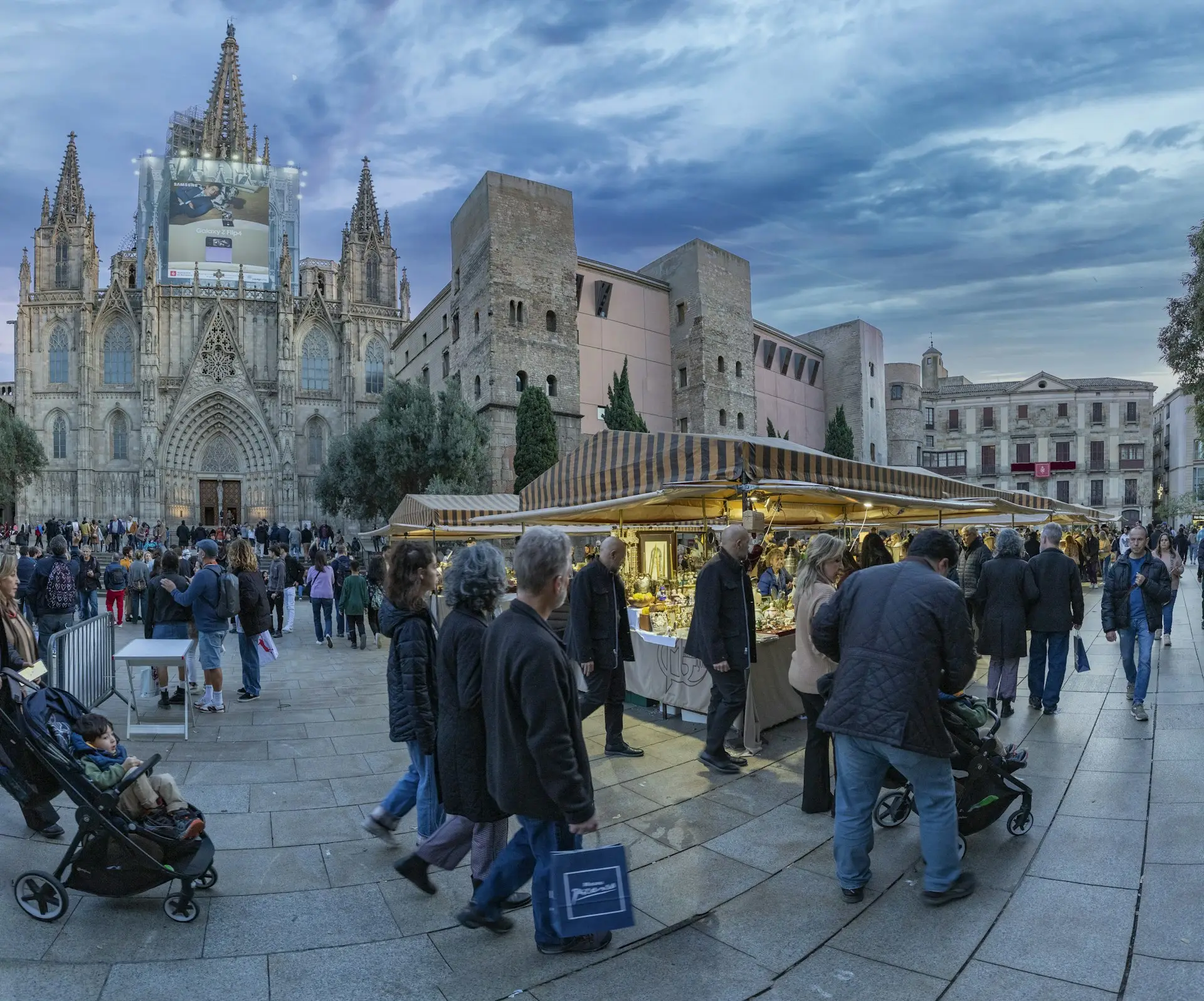
La Plaça de la Seu and the Barri Gòtic, one of Europe's best-preserved medieval centres.
Where to eat
Catalan cooking is Mediterranean, market-driven and all about the produce. Always start with pa amb tomàquet: country bread rubbed with tomato, olive oil and salt, which goes with almost everything. Among the classics, try cannelloni (the Sunday dish par excellence), escalivada (roasted vegetables), esqueixada (salt-cod salad), botifarra amb mongetes (grilled sausage with white beans), fideuà (paella's cousin, made with noodles) and suquet de peix (a fisherman's stew). For dessert, the inevitable crema catalana and mel i mató (fresh curd cheese with honey).
Tapas-hopping is a plan in itself. The Born, Gràcia, Sant Antoni and Poble-sec have the best bars; Carrer de Blai, in Poble-sec, is an affordable and lively pintxos route. For produce and atmosphere, the markets are a must: the Boqueria on La Rambla, Santa Caterina in the Born (with its undulating, colourful roof) and the newly renovated Sant Antoni are as good for shopping as they are for eating on the spot.
The trick to eating like a local: the lunchtime menú del día — starter, main course, dessert and a drink at a fixed price — is by far the best value for money. And at the weekend, the pre-lunch vermouth hour, with pickles and tinned delicacies, is a tradition well worth experiencing.
Don't leave without trying cava, the Catalan sparkling wine from the Penedès, and if you are travelling between January and March, sign up for a calçotada: calçots (tender spring onions) grilled over embers and served with romesco sauce, a true winter ritual. In summer, eating at a beachfront chiringuito — rice dishes, fideuà and fish facing the sea — is part of the plan.
Bear in mind the Spanish timetable: lunch is around 14:00 and dinner from 20:30 onwards. Many kitchens close between services, so if you arrive at an odd hour, head for the tapas bars, which usually keep the counter open.
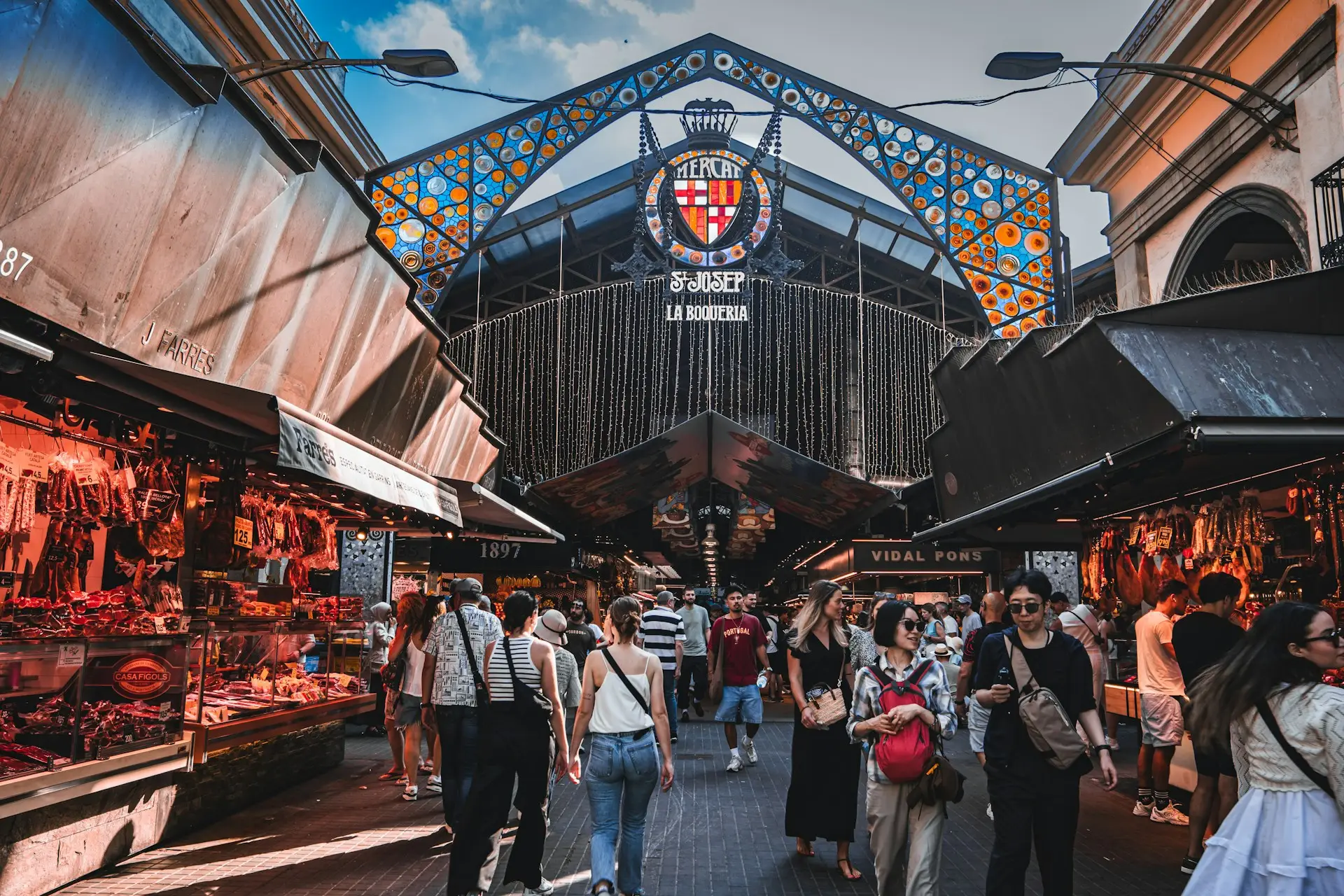
Barcelona's food scene: historic markets and a culinary culture in constant motion.
When to go
Barcelona is a pleasure all year round, but each season has its own character.
Spring (April–June) is probably the best time: mild weather, long days, the first swims of the year and fewer crowds than in high summer. If you are there on 23 April you will experience Sant Jordi, when the streets fill with book and rose stalls.
Summer (July–August) brings heat, beach days and the peak of international tourism; get up early for your visits, book everything in advance and make the most of the sea. Before that, in June, the city becomes a music capital with festivals such as Primavera Sound and Sónar. In August, the Festa Major de Gràcia is one of the most fun events of the year.
Autumn (September–November) offers pleasant temperatures and a more local atmosphere. At the end of September, La Mercè — the city's great festival — fills the streets with castellers, giants, correfocs and free shows.
Winter (December–February) is mild and quiet, ideal for museums, Christmas markets and making the most of the Gaudí Year without queues.
A note for 2026: as it is the Gaudí centenary, summer will draw even more visitors. If your trip revolves around his work, the months from January to March and November are the quietest for enjoying the exhibitions at a relaxed pace.
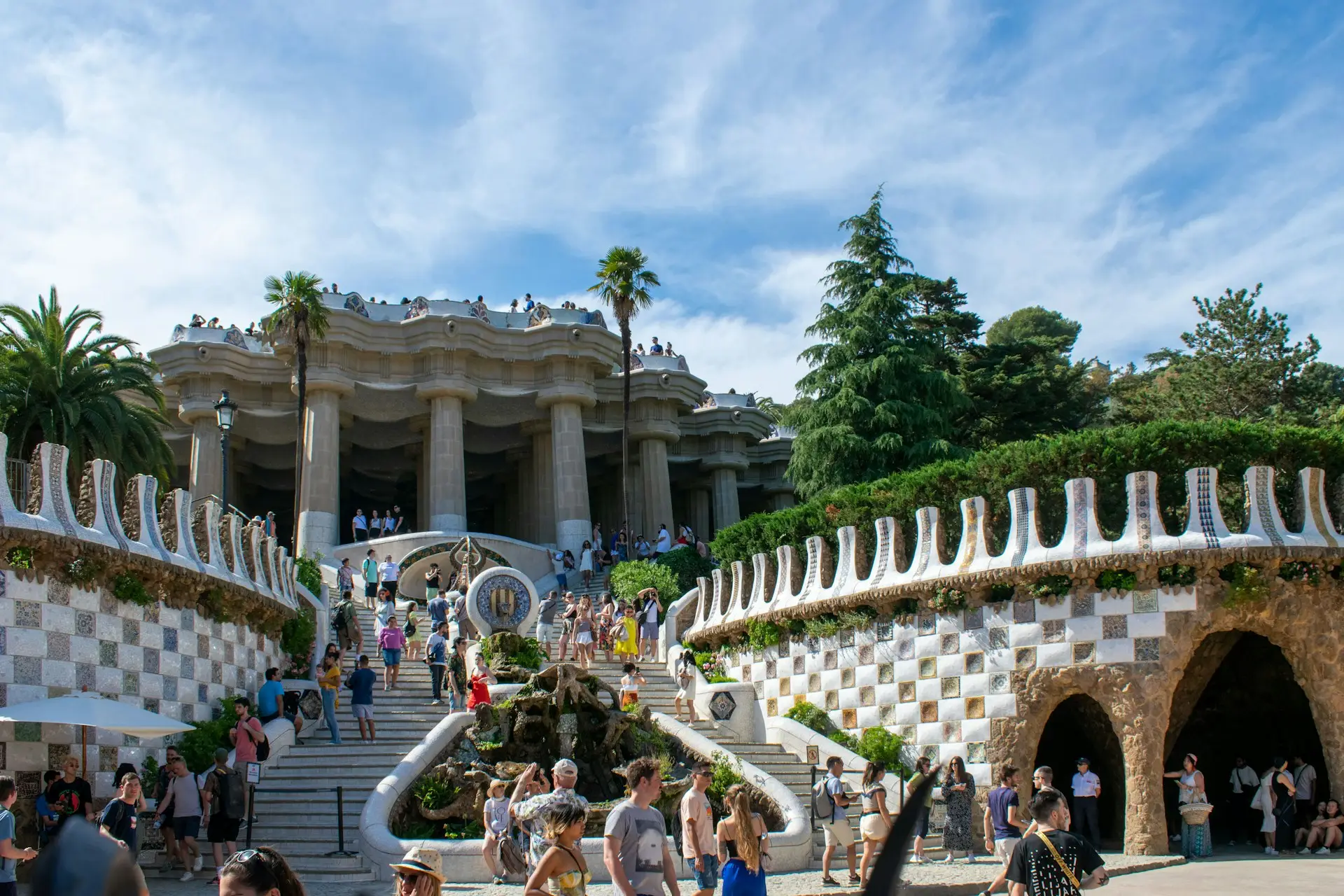
Park Güell, designed by Gaudí, is especially rewarding in spring, when it's calmer than in summer.
Getting around
From the airport to the centre. Barcelona-El Prat Airport is about 15 km away. The Aerobús links both terminals with Plaça Catalunya in around 35 minutes, with very frequent departures; there is also the metro (L9 Sud) and the commuter train (R2 Nord, from T2). A taxi or private transfer is the most comfortable option if you arrive heavily laden or at night.
Around the city. The metro is fast, inexpensive and easy to use; it runs until midnight on weekdays and all night on Saturdays. For several journeys, the T-casual card (10 trips) or the T-familiar work out much cheaper than single tickets; and if you are going to get around a lot in a few days, the Hola Barcelona Travel Card (unlimited travel for 48 to 120 hours, airport journey included) is usually worth it. The city is very walkable and flat in the centre, with a good Bicing network and cycle lanes, and the tram covers the coastal area well. The Bus Turístic, a hop-on hop-off service at the key sights, is handy for a first overview without wearing yourself out.
In short: Barcelona is compact and most of the essentials are linked on foot or with a couple of metro stops. Only keep a car if you plan to take trips out of the city.
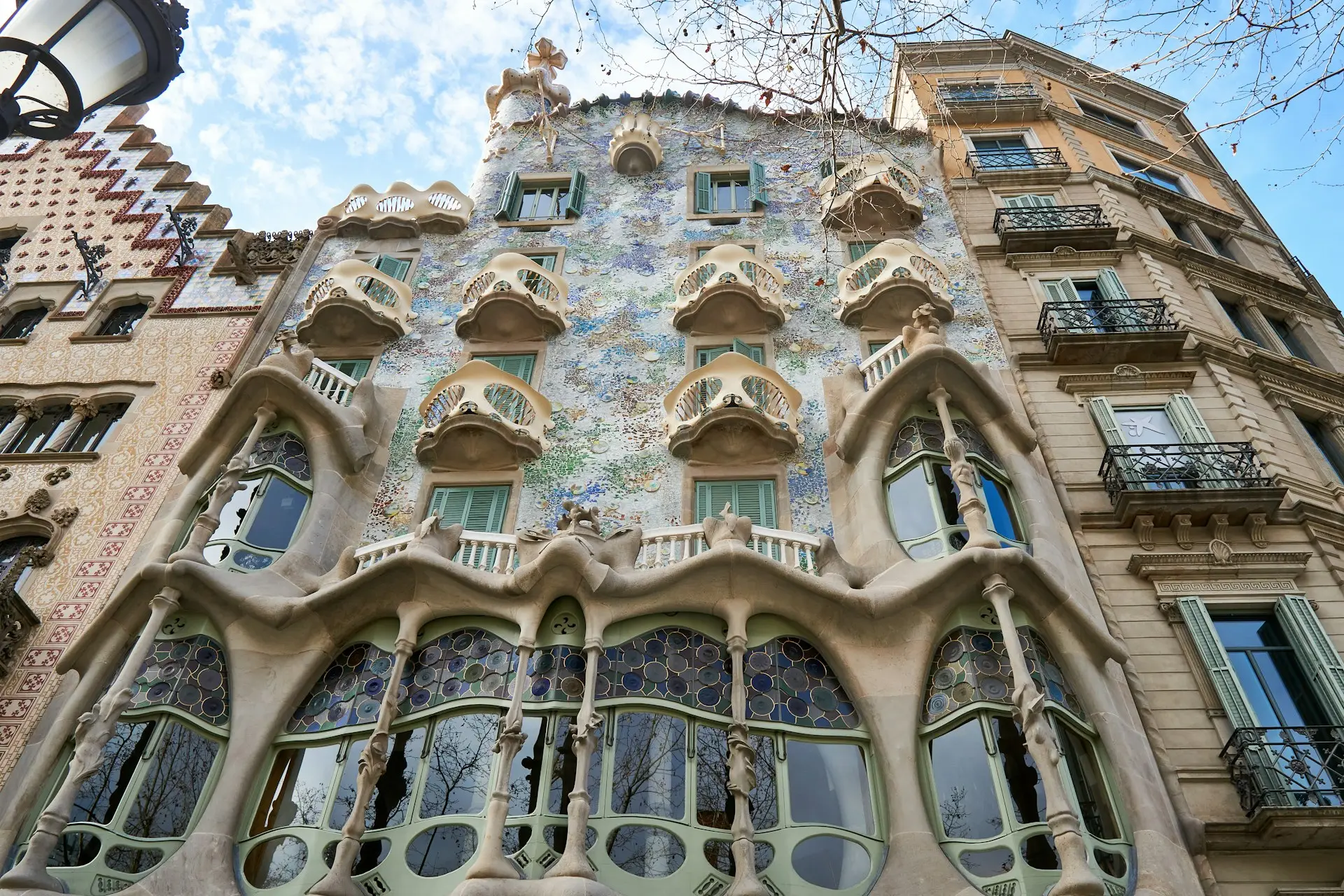
Passeig de Gràcia, the spine of the Modernista Eixample, is Barcelona's finest showcase of 20th-century architecture.
The Camp Nou and FC Barcelona
The Spotify Camp Nou, home of FC Barcelona since 1957, is much more than a sports venue: it is the symbol of a city and of a cultural identity summed up by the club's historic motto, "més que un club". With a capacity of more than 100,000 spectators in its full configuration, it is one of the largest stadiums in the world.
Current status (2026). The Camp Nou is in the middle of a renovation: the Espai Barça project is completely remodelling the stadium — a new roof, a third tier and links with the club's other facilities. The team returned to play at home in 2024 after a season at the Olympic Stadium on Montjuïc. Works are ongoing, with the third tier due to open progressively over the course of the 2026-27 season.
Watching a match. This is the favourite experience. The LaLiga season runs from September to May. Tickets are sold through FC Barcelona's official channel (fcbarcelona.com); for matches against big teams, it is best to book weeks or months in advance. Avoid any unofficial channel: illegal touting is common around the stadium and exposes you to fake tickets.
The tour. The classic Camp Nou Experience has been temporarily replaced by the Barça Immersive Tour: an experience with an immersive room, audiovisual elements, the club museum and views of the stadium under construction. It can be booked on the official website (fcbarcelona.com). The definitive new museum, integrated into the renovated Camp Nou, was scheduled for the end of 2026; check the official website to confirm its status before your visit.
Practical tips. - Always book through official channels: it is the only guarantee of valid tickets. - If you are going to a match, arrive in good time — the entrances get jammed in the last 30 minutes. - The Les Corts area has few worthwhile places to eat; eat in the centre beforehand. - The metro (L3, Palau Reial or Les Corts stop) is the most convenient way to get there.
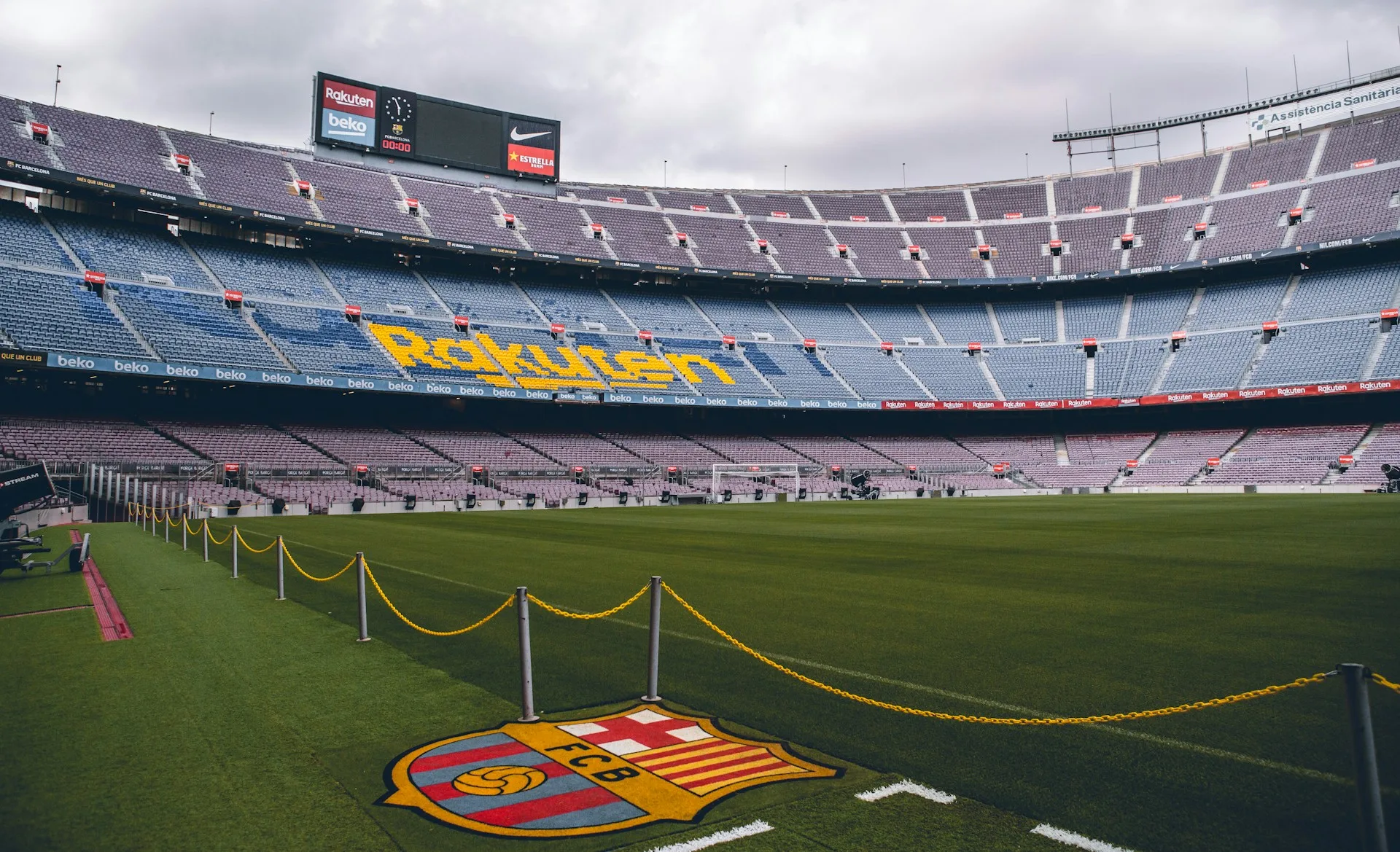
The Camp Nou (1957), mid-renovation under the Espai Barça project, is one of the world's largest stadiums.
Where to stay in Barcelona
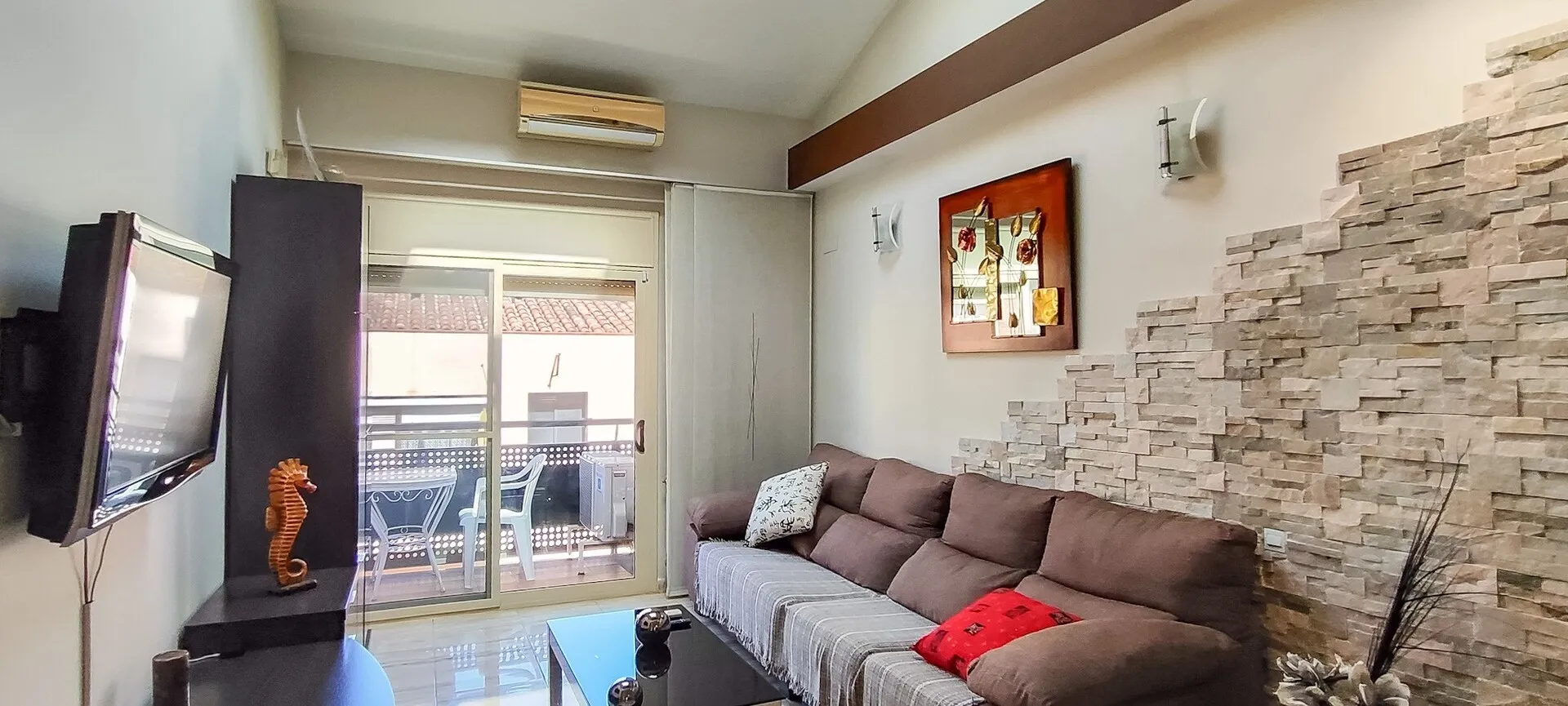
Fee4Me has one home in the Barcelona area, located in San Adrià de Besòs, by the sea and with excellent metro and Renfe connections to the city centre. A calm base from which to explore Barcelona at your own pace.
OUR HOME IN BARCELONA
Itinerary and tips
Day 1
La Sagrada Família first thing (book tickets in advance). Passeig de Gràcia: Casa Batlló and La Pedrera.
Evening wander through the Gothic Quarter and El Born.
Day 2
Park Güell in the morning. Stroll through Gràcia and its lively squares.
Montjuïc: cable car, castle, Fundació Miró. Swim or walk at Barceloneta.
Day 3
Waterfront promenade from Barceloneta to Port Olímpic. Market: Boqueria or Santa Caterina.
Bunkers del Carmel at sunset. Casa Vicens or Palau Güell without the crowds.
Day trips
Barcelona makes a great base for day trips: Montserrat (1 h by rack railway or cable car), Sitges (40 min by train, charming coastal village), Girona (40 min by high-speed rail, medieval old town with colourful riverside houses) and the Penedès wine and cava region, under an hour away.
Practical tips
Book timed-entry tickets online: Sagrada Família, Park Güell, Casa Batlló. Skip queues and guarantee entry, especially in the Gaudí Year.
Watch out for pickpockets on La Rambla, the metro and busy tourist spots — carry only essentials.
Barcelona is bilingual: Catalan and Spanish. A quick *bon dia* or *gràcies* goes a long way.
Walk whenever you can — distances are often shorter than they look on the map.
Experiences
Book activities in Barcelona
GetYourGuide, our official partner.
Things to do in Barcelona
Tours, guided visits and experiences, powered by GetYourGuide.
This will load content from GetYourGuide.
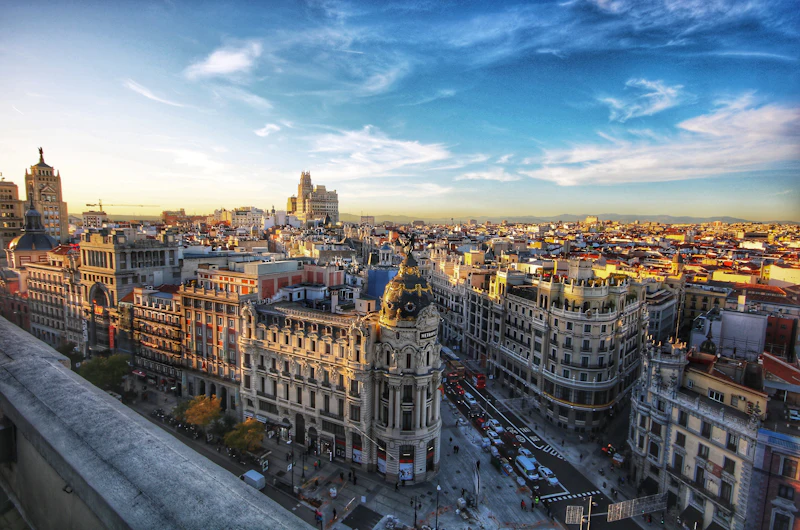 MadridRead guide
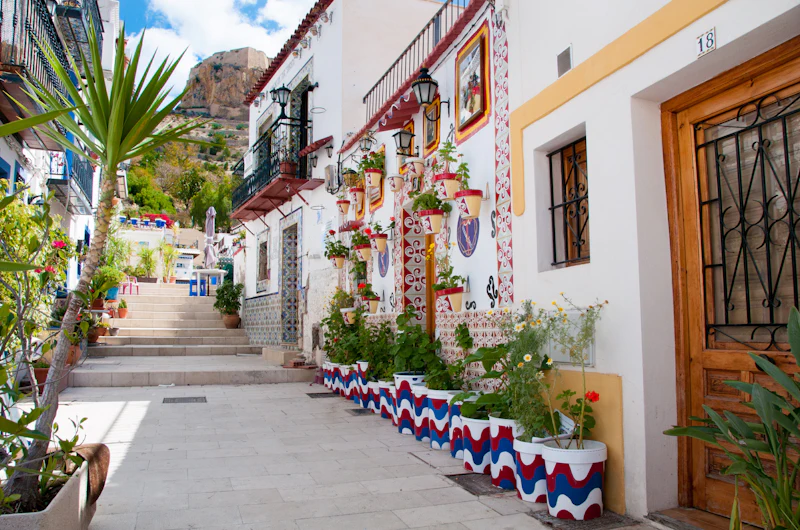 AlicanteComing soon
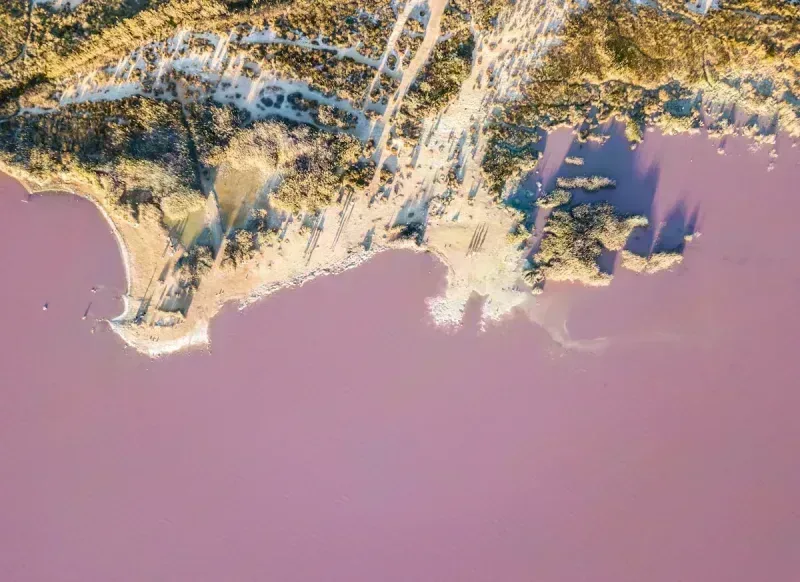 TorreviejaComing soon
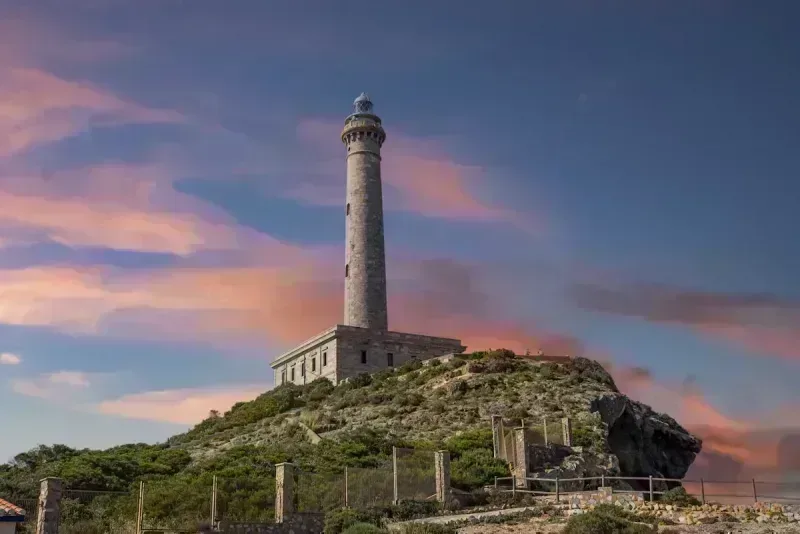 MurciaComing soon
 BilbaoComing soon
 La CoruñaComing soon
 VigoComing soon
 MenorcaComing soon
 Gran CanariaComing soon
 LanzaroteComing soon
 FuerteventuraComing soon
 TenerifeComing soon